When commercial facility managers or agricultural operators discover signs of unwanted visitors scurrying about their property, the instinct is often to grab traps from the local hardware shop. However, effective rodent pest control requires far more than placing snap traps in obvious locations. A professional rodent inspection forms the cornerstone of successful pest control, employing scientific methods that most property managers never realise exist.
Preparation Before Arrival
Professional rodent control begins before the technician arrives. During initial consultation, pest control specialists gather critical intelligence about your situation, including when you first noticed activity and specific evidence was observed.
Exterior Assessment: Where Control Really Begins

Professional rodent pest control inspections always begin outside the facility. This exterior focus might seem counterintuitive when you’ve been hearing scratching sounds in your warehouse or processing areas, but understanding how rodents access your property is fundamental to effective pest control.
The assessment involves systematically examining your facility’s perimeter for entry points as small as a twenty pence coin. Mice squeeze through gaps barely six millimetres wide. Professional pest control technicians examine areas where utilities enter, gaps beneath loading dock doors, deteriorated weather stripping around commercial entrances, and damaged screens with forensic precision.
Landscaping factors receive equal attention in commercial settings. Overgrown vegetation around facilities provides cover, whilst storage areas against buildings create nesting opportunities. Loading docks, rooflines, and drainage systems warrant special scrutiny. Many facility managers discover their “ground floor” rodent problem originated from roof access points around HVAC systems or utility connections.
Interior Investigation: Following Behaviour Patterns
Inside your facility, professional rodent control inspections follow rodent behaviour rather than operational patterns. Experienced pest control technicians think like rodents, understanding preferred travel routes along walls and avoiding open spaces.
Food processing and storage areas receive intensive scrutiny, but focus extends beyond obvious locations. Professional technicians examine spaces behind industrial equipment, inside utility areas, and around plumbing systems where rodents locate water sources. Many infestations are discovered in areas facility managers rarely consider, such as wall voids accessed through plumbing gaps or spaces behind electrical panels.
Ceiling voids, storage areas, and mechanical spaces provide the most complete picture of rodent activity in commercial settings. Insulation damage around pipes, nesting materials in storage zones, and concentrated droppings help determine infestation scope and duration.
In agricultural settings, grain storage facilities, feed areas, and livestock housing require particular attention. Professional inspectors understand how different agricultural environments attract and support rodent populations.
Reading the Evidence
Professional pest control specialists approach rodent evidence like forensic investigators. Fresh droppings differ from older specimens in colour and texture, providing information about current activity levels. Size, shape, and location help distinguish between mice and rats whilst estimating population levels.
Gnaw marks reveal current activity and species identification. Mouse gnaw marks appear small and precise on packaging materials, whilst rat marks are larger and more destructive, potentially damaging electrical systems critical to commercial operations and creating fire hazards.
Grease marks along walls reveal regular travel routes. Rodents’ oily fur leaves dark smudges along frequently used pathways, helping pest control technicians understand traffic patterns throughout commercial facilities.
Modern Technology in Rodent Pest Control
Contemporary inspections incorporate sophisticated technology particularly valuable in large commercial and agricultural operations. Infrared cameras detect nesting areas through temperature variations. Digital borescopes inspect wall voids and equipment spaces without destructive investigation. Acoustic detection devices identify rodent sounds human ears might miss, particularly valuable in large warehouses, processing facilities, and agricultural buildings.
Professional Documentation and Reporting

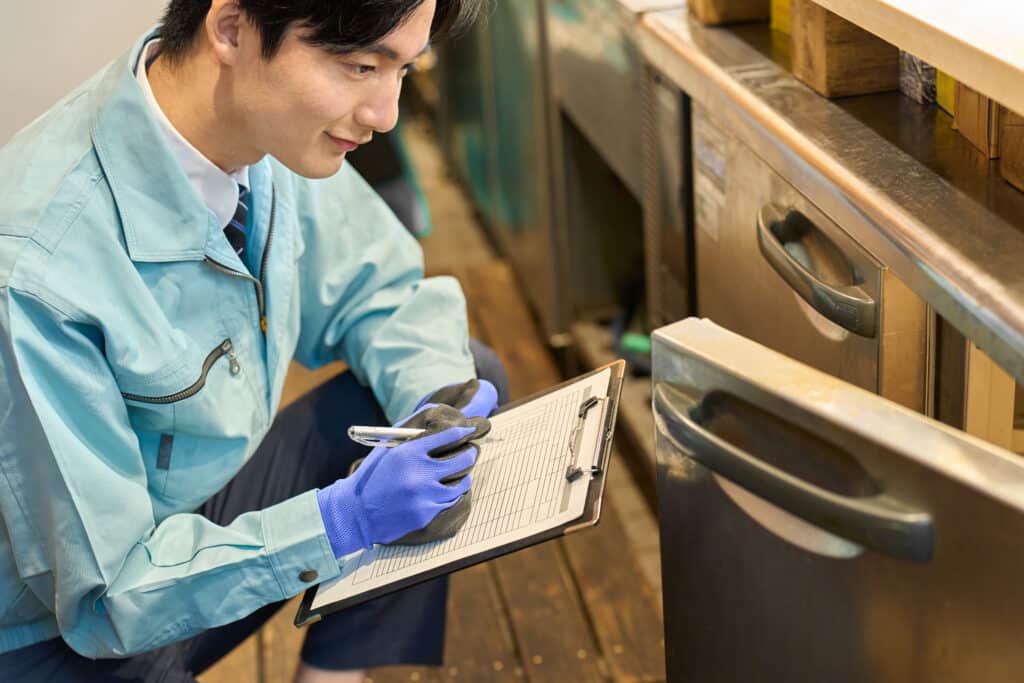
Throughout inspections, pest control technicians document findings with detailed notes and photographs. This creates a “rodent activity profile” mapping entry points, travel routes, and nesting areas, allowing targeted treatment strategies addressing causes rather than symptoms.
Professional reports identify specific species, estimate populations, highlight critical entry points, and prioritise recommendations based on operational impact and cost-effectiveness. Well-structured reports provide clear roadmaps for eliminating current activity whilst preventing future problems that could disrupt business operations or compromise food safety standards.
Why Professional Expertise Matters
Facility managers often attempt DIY rodent control based on obvious activity signs. However, this reactive approach addresses symptoms rather than causes, resulting in temporary relief followed by recurring problems that can impact operations, regulatory compliance, and reputation.
Professional rodent pest control reveals the complete picture: how rodents access your facility, environmental attractants, and likely expansion areas. This understanding represents the difference between temporary management and genuine long-term resolution critical for commercial operations.
Effective mouse control and rat control require understanding rodent behaviour, biology, and environmental preferences specific to commercial and agricultural settings. Professional technicians possess specialised knowledge combined with access to professional-grade products unavailable to the public, including solutions designed for food safety compliance.
Preparing for Your Inspection
Professional rodent pest control inspections typically require one to four hours, depending on facility size and operational complexity. Inspectors need access to all areas including storage zones, mechanical rooms, processing areas, and agricultural structures.
Key preparation steps:
- Coordinate with operations to ensure safe access during inspection
- Clear access routes to utility and mechanical areas
- Leave evidence undisturbed for assessment
- Prepare questions about your rodent problem and operational concerns
- Ensure key personnel are available to discuss findings
Resist cleaning up evidence before inspection. Droppings, gnaw marks, and signs provide valuable information about problem scope and nature.
Making Informed Decisions
Professional rodent pest control inspection investment pays dividends through effective, targeted treatment addressing root causes whilst maintaining operational continuity. Understanding your complete rodent situation enables informed decisions about the most effective path forward.
Professional assessment often reveals that apparent simple mouse control problems involve multiple entry points, environmental attractants, and structural vulnerabilities that DIY approaches cannot address comprehensively. Rather than repeatedly purchasing expensive consumer products providing temporary relief, professional pest control offers sustainable solutions based on scientific understanding, ensuring compliance with industry regulations and protecting your operation’s reputation.
If you’re experiencing rodent activity signs, don’t allow problems to escalate. Contact our experienced pest control professionals today to schedule an inspection to help you understand the next steps.