
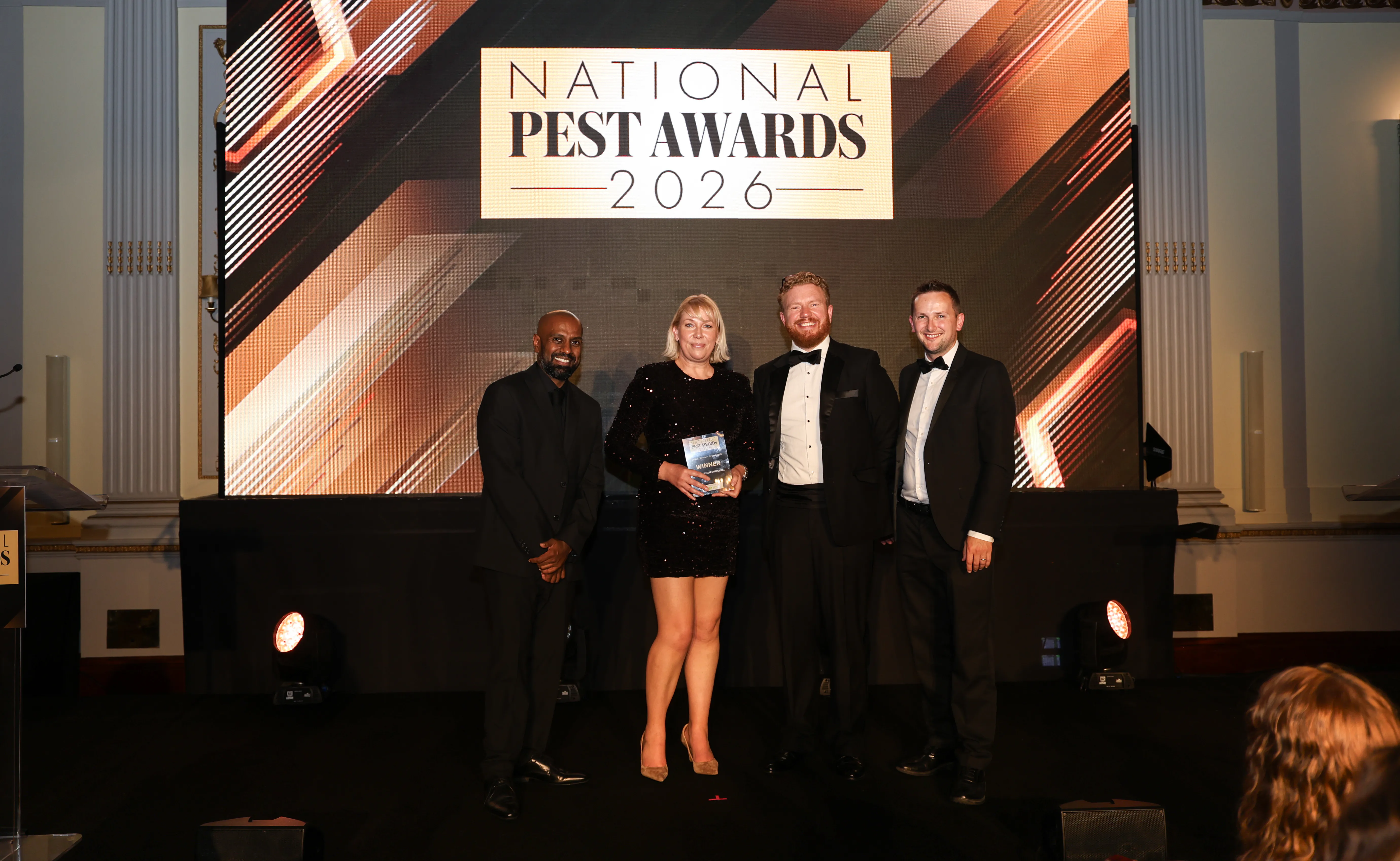
We are National Pest Award winners!
We are on cloud nine this week after being named Small Company of the Year at the prestigious National Pest
Our qualified and licensed team of professionals manage bird populations to minimise conflicts between human and bird activities.
Bird control involves preventing birds from causing damage or becoming a nuisance in a specific area. This can be achieved through various measures such as physical barriers, deterrents, and repellents that discourage birds from roosting or nesting in unwanted locations. The ultimate goal of bird control is to manage bird populations in a humane and sustainable way while minimising conflicts between birds and human activities.
If you’re having a problem with birds, our specialised bird control department can help. We offer a range of effective methods and services to address your bird problem. Contact us today to find a solution and restore your peace of mind.
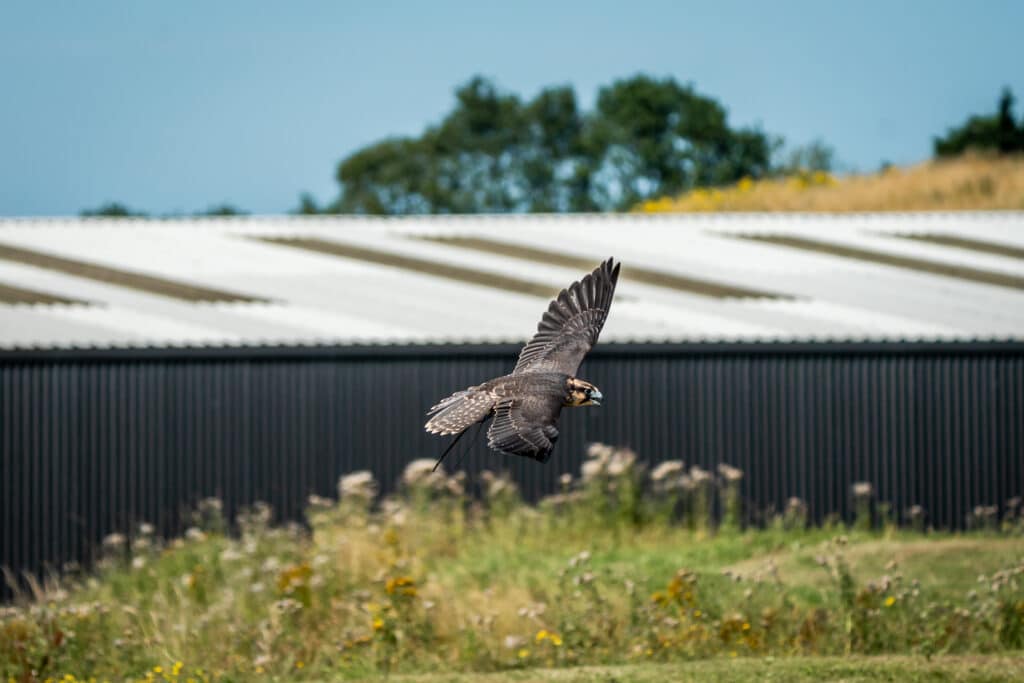
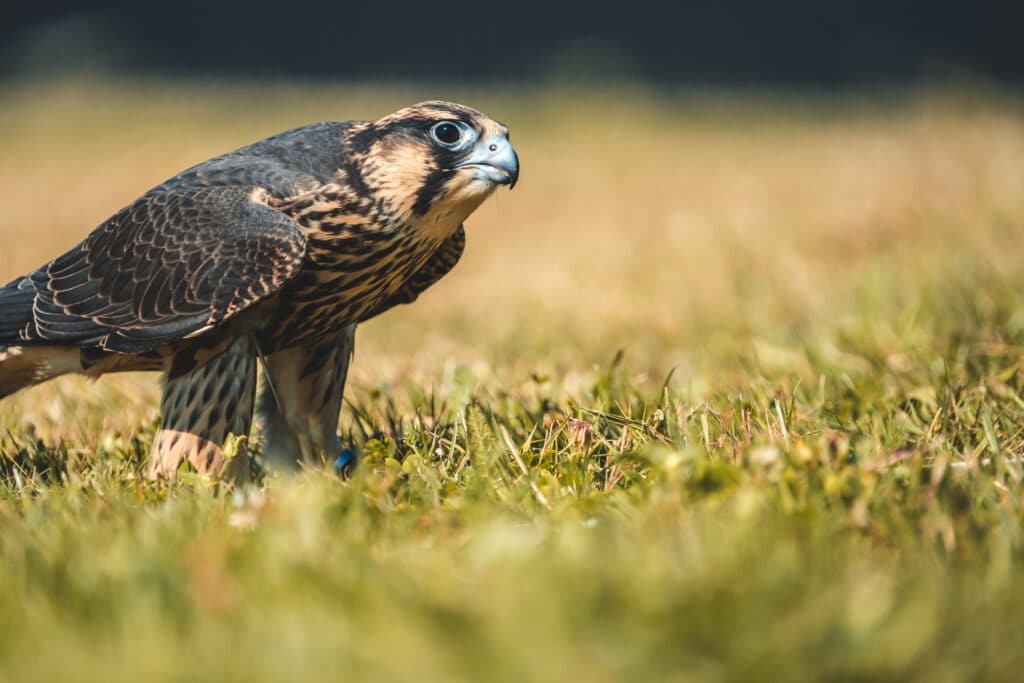
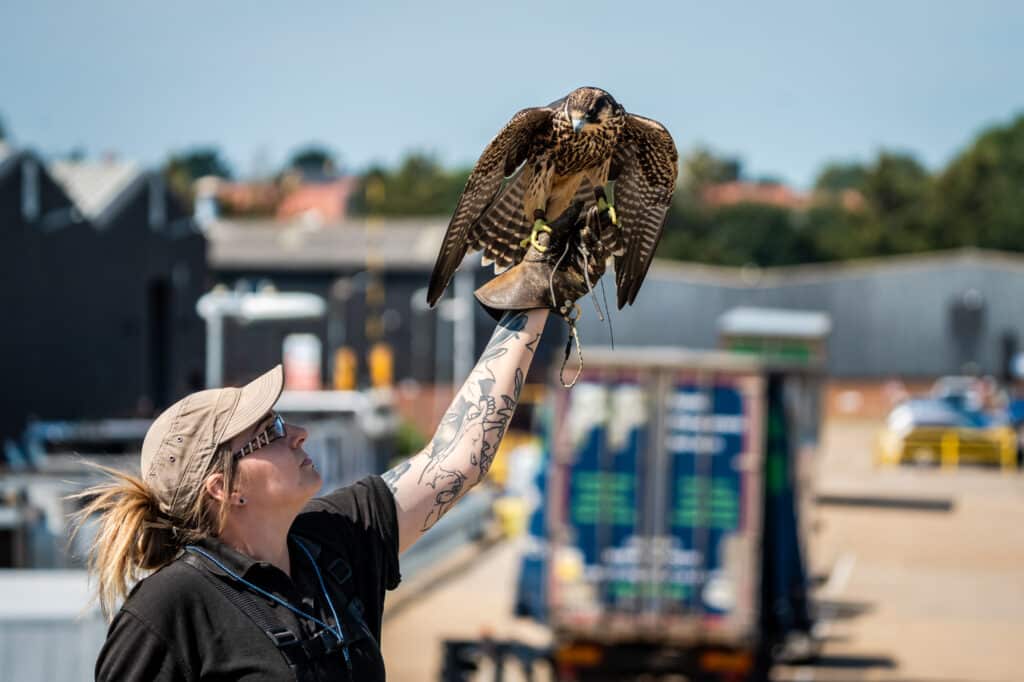
Supporting offices, industrial parks, farms, airports and more. All our technicians are IPAF trained and will provide the most up-to-date and effective treatments to suit your situation.
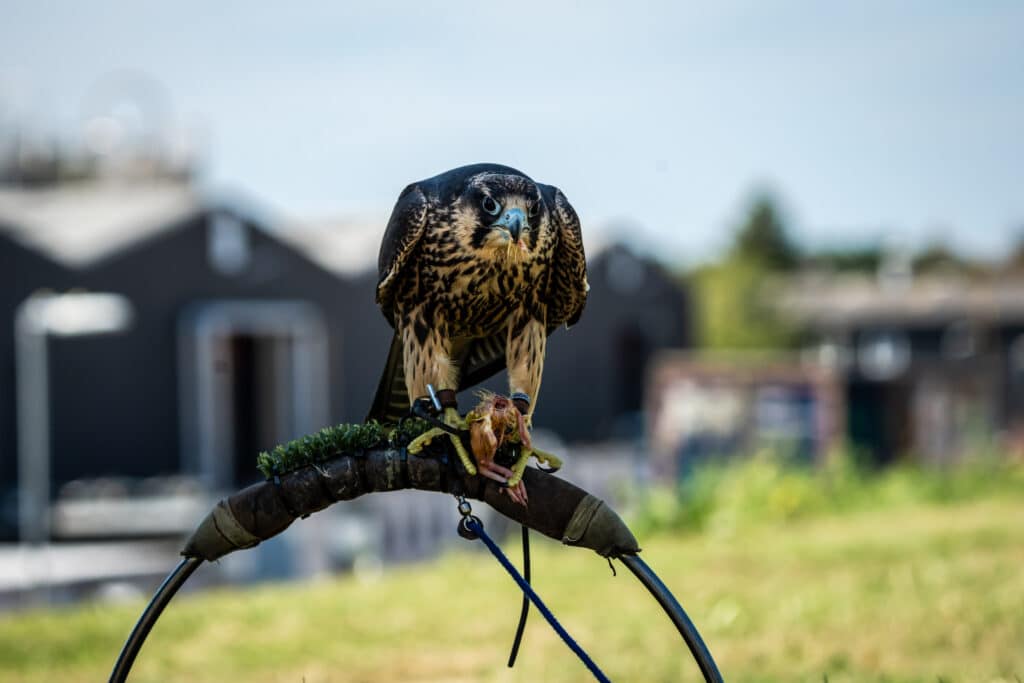
Bird Abatement Falconry is the ultimate deterrent, which is why nearly all deterrents are based on this predator in some way. Using trained birds of prey is a natural and non-lethal method of controlling bird populations. This method involves introducing a natural predator into the area to create a fear response in other birds, thereby decreasing the gains and deterring them from areas where they cause damage or become a nuisance. Bird abatement falconry is used in many settings which we look at below.
Commercial buildings can offer a safe environment away from predators and the harsh weather for nesting, roosting, and loafing. The downside to this behaviour is their guano (poo) causes structural and cosmetic damage and health risks to personnel. Birds of prey are flown to create a fake surprise attack, as the birds are likely to be sheltered. This type of approach increases the fear and stress levels in the pest birds, and when repeated, the site becomes unviable in a short period of time.
Airports offer lots of wide-open spaces with ample feeding opportunities, with buildings offering a safe location to shelter and breed. Pest birds in and around airports pose a significant safety risk to aircraft as they can strike planes and get sucked into engines during take-off and landing. A trained, fast low-flying falcon can create an element of surprise and clear various birds quickly from a runway.
Landfill sites offer an array of feeding and nesting materials to scavenger birds like gulls and rooks. These birds increase health and safety hazards, spread disease on site, and carry waste to other buildings to feed or use for nesting, increasing the risk of spreading disease elsewhere. Birds of prey can be used to reduce flock sizes and minimise their on-site presence.
Birds in large numbers can damage crops, harm livestock, and reduce available livestock feed. Birds of prey flown at strategic times of the day and year can reduce crop and livestock damage and minimise feed loss, making the sites unviable for pest birds.
Using bird abatement falconry is a humane and effective method of controlling bird populations. To ensure successful bird abatement, it is important to use trained birds and experienced handlers. The birds of prey are flown to emulate a hunting bird, which creates a fear response in other birds, leading them to avoid the area over time. This non-lethal method can benefit different industries and environments, promoting safety and preservation.
Bird proofing is the installation of a product to physically block birds from accessing a given area. When correctly installed, results are immediately effective and humane. Selecting the right proofing materials for the bird population being controlled is crucial. If birds are nesting, it may be necessary to wait for fledging, or a license will be needed.
Bird Proof Nets are made of durable materials that are resistant to weather and can be customised to fit various shapes and sizes. They are used in settings like building roofs, bridges, warehouses, factories, silos, and other industrial facilities. Once installed, the net prevents birds from accessing the area, offering immediate protection from contamination, nesting, and roosting.
Mag-net produces a safe electromagnetic field that birds cannot pass through. This system is lightweight, easy to maintain, and ideal for installations on fragile roofs, around complicated structures, or where other proofing systems may not be suitable. The Mag-net system is low profile and discreet.
Bird spikes can stop both small and large flocks from landing on ledges, bridges, gutters, signs, and other structures. Made of durable materials like stainless steel or plastic, they provide a cost-effective and humane solution by preventing birds from causing damage or creating messes below nesting and roosting areas.
Bird post and wire systems prevent low to moderate bird infestations by creating an unstable surface that discourages birds from landing or roosting. The system is discreet and uses stainless-steel wire suspended between posts to push birds off structures such as ledges, bridges, gutters, and signs.
Many proofing methods for solar panels can damage the panels, invalidate warranties, or make servicing difficult. We use only approved products to protect solar panels from birds without causing any damage. Our systems prevent birds from roosting and nesting under the panels while allowing easy maintenance and preserving your warranty.
Visual deterrents work by creating a visual light disturbance or imitating a predator, making birds anxious. Various types include reflective tapes, predator eyes, and hawk kites.
Works by reflecting and distorting bright sunlight and creating a crackling sound in the wind, making birds uneasy. Effective in loafing areas but requires regular replacement.
Heavy-duty vinyl balloons filled with helium, featuring reflective eyes that create the impression birds are being watched. Best suited for loafing areas, with an effective range of about 12 meters.
Installed on a pole, resembling a bird of prey. Effective for dispersing many birds, including gulls, even in nesting areas, but requires daily inspections due to weather conditions.
Plastic models of predators. These are not recommended for established problems as birds quickly realise they are not a threat.
Use a combination of sounds, lights, and movement. Modern systems are triggered by the presence of birds, making it harder for birds to habituate to them.
Increasingly used for bird deterrence, especially in low light conditions. Avix lasers are professional-grade and effective for daytime use, with no reported habituation from birds.
Effective only in low-light areas, but can pose health risks in well-lit spaces, particularly for individuals with epilepsy.
Ultrasonic, sonic, and bio-acoustic systems. Ultrasonic systems have limited evidence of effectiveness, while bio-acoustic systems use natural alarm and predator calls but can lose effectiveness over time.
Falcons and hawks are used to disperse birds across large areas. Falconry provides long-lasting, humane bird control that is effective in a variety of environments and industries.
Lasers have been used to scare birds for several years, with growing popularity. However, many models on the market are less effective and harmful to birds. We only use and supply Avix lasers, which are proven to be safe for birds and remain effective.
The Autonomic laser is used on roofs and in secure locations. Once set up by a trained operator, it works automatically and can operate in 360 degrees. The device can be monitored and adjusted via Bluetooth, making it low maintenance and ideal for areas where other methods, such as netting or spikes, are impractical.
The handheld laser can be used in various locations by qualified technicians. It emits a specific wavelength and power of bright green light, which birds perceive as a physical threat, causing them to leave the area.
Gull egg and nest removal is an effective way to control gull populations in urban areas of England, where they are becoming a common sight and can pose risks to public health and safety.
Gulls can cause property damage, noise pollution, and be aggressive. They also carry various pathogens and diseases that can harm humans.
Egg and nest removal should only be performed during the breeding season (April to August) by trained and licensed professionals. A license can only be applied for if there is evidence that gulls are causing a risk to health or safety and that non-lethal methods have been tried or considered.
We can guide you through the process of applying for a license by helping you gather evidence and explore non-lethal control methods. If you’re new to the application process, we’ll help ensure that you answer questions correctly and provide the necessary documentation.
Our gull control services are tailored to your specific needs and budget, ensuring your safety and compliance with the law. Contact us for a consultation to discuss your options and find the best solution for your gull control needs.
Keep your gutters clean and free from wildlife interference. If your gutters overflow or resemble a wildlife garden, birds may be nesting or roosting on your roof. Contact us for gutter cleaning and bird control solutions to prevent further issues.
Our uniquely designed gutter guards provide a cost-effective way to keep gutters clean while preventing bird-related problems. Unlike flat designs, our curved gutter guards prevent nesting materials from building up while allowing rainwater to flow freely.
Our gutter guard is held in place with detachable clips for easy maintenance. It is robust enough to prevent birds from pulling it off and fits all gutter sizes up to 150cm wide.
Our gutter guards are a low-cost, hard-wearing solution that will keep your gutters clean and free-flowing. Invest in our gutter guard today for long-lasting results.
Bird guano (droppings) poses serious health and safety risks, containing pathogens, bacteria, and fungi that can cause diseases. It also attracts pests and insects, compromising your company’s hygiene and sanitation, while potentially causing structural damage through corrosion.
Decontaminating bird guano is essential to protect the health and safety of you and your staff. The process involves safely removing all guano and contaminants from affected areas using specialised chemicals.
We provide tailored bird guano decontamination services for a wide range of surfaces and environments, including roofs, attics, walls, and ventilation systems.
Don’t let bird guano compromise your health, safety, and property. Contact us today to schedule a consultation and learn more about our bird guano decontamination services.
Sometimes birds enter a building and refuse to fly out, even with open doors and windows. In such cases, the bird has become trapped and requires assistance to be safely removed.
In most cases, we can remove the bird using our general licenses. However, for certain bird species, a specific license is required, and removal is done using mist nets or traps.
Mist netting is an effective and safe method to rescue trapped birds. Used by ornithologists for many years, mist nets are set up between two poles, sometimes at heights over 10 meters, to intercept the bird in flight.
Once the bird is safely caught in the mist net, our technician carefully extracts it and relocates the bird five miles or more from the site to prevent it from becoming trapped again in your building.
Under the 1974 Health and Safety Act, companies have a duty of care to provide a safe and healthy working environment. A bird in the wrong place could pose a risk and be considered a breach if left unchecked.
The 2006 Animal Welfare Act protects domestic and wild animals. Under section 2, a trapped bird is no longer considered living in a wild state, and section 4 imposes a duty to prevent suffering. Section 9 requires companies to provide trapped animals with food, water, shelter, and veterinary care if needed.
The control of birds is governed by the Wildlife and Countryside Act 1981, making it illegal to intentionally kill, injure, or take any wild bird or destroy their nests. Bird control activities must comply with this law and require appropriate licenses.
Most bird control in the UK is conducted under section 4 exceptions of the Wildlife and Countryside Act, and licenses are issued by DEFRA. These licenses allow for the management of certain bird species to protect public health, safety, property, and wildlife conservation.
Before using a license, companies must record the issues caused by the birds and document all non-lethal control measures tried and their outcomes.
Offenses under these Acts can result in fines, imprisonment, and the confiscation of equipment used in the commission of the offense.
With herbivorous insects thought to be responsible for destroying one–fifth of global food production, insect pest control is a passion of ours.
Our qualified and licensed team of professionals manage bird populations to minimise conflicts between human and bird activities.
We provide fumigation services across the country in various environments including agriculture, education, logistics, transport and food supply chain locations. Fumigation is highly specialised and should only be undertaken by qualified experts – which we are!
Dealey has been providing pest control services and expert advice for over 60 years. With an ethos based on excellence, striving to find new and innovative solutions and always loving what we do, Dealey is headed up by Martin Cobbald, a global go-to expert in all this pest-related.
A small team of highly trained fumigators, we consistently operate to a very high standard and always aim to improve and innovate. Our technicians are all pest geeks with an embarrassment of riches in insect knowledge. All of us come from a farming and fumigation background, meaning you will always get solutions that are as practical as they are technically proficient.
Find out about the latest technology and methods, how pests are responsible for a fifth of the world’s food production, and all things creepy crawly from the Dealey team of pest geeks.
We are on cloud nine this week after being named Small Company of the Year at the prestigious National Pest
Dealey is currently the only company in the UK licensed to fumigate aircraft using BlueFume®. We’ll be on stand 4028
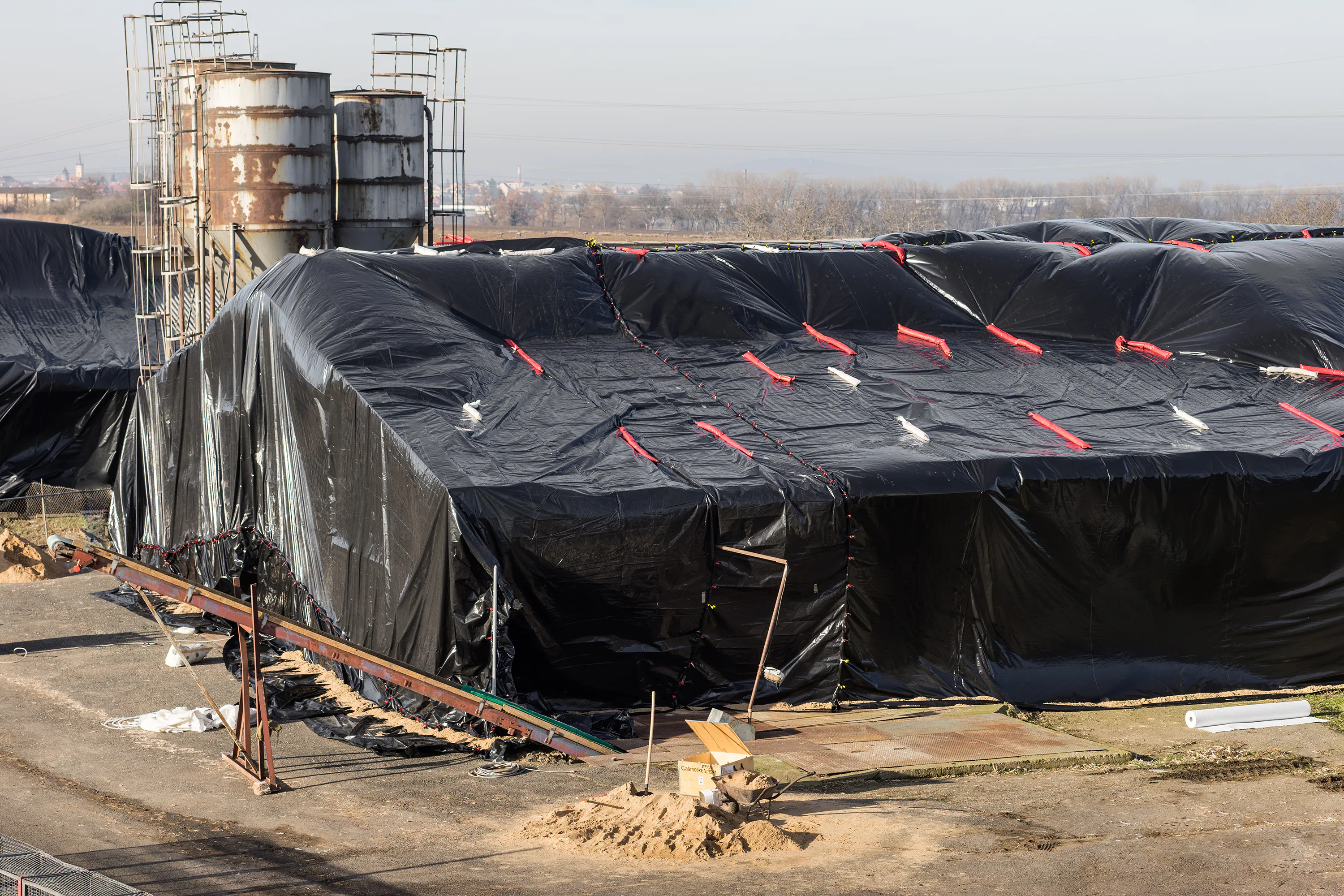
Love them or hate them, there’s no denying that pests are remarkably resilient. Over millions of years, they’ve evolved to survive in some of
Whether you would like a chat to find out more, talk through options, or arrange a site visit so we can see how we can help, we would love to hear from you.