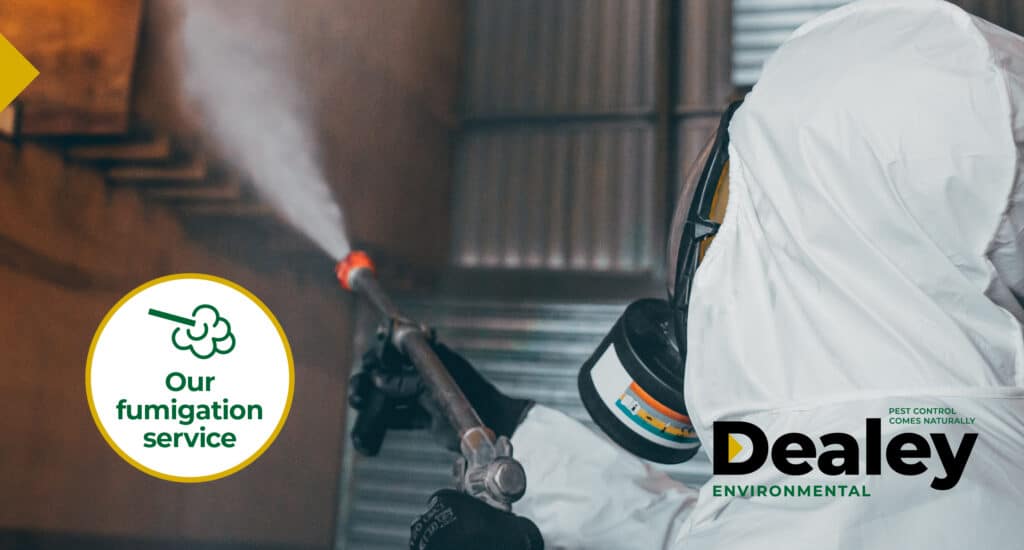
When fumigation treatment concludes at your commercial facility, the pest control work hasn’t finished. Post-fumigation deep cleaning represents a critical phase that determines whether your property can safely resume operations. Understanding why professional cleaning services matter after fumigation protects both your workforce and your business operations from health risks and regulatory complications.
Understanding Post-Fumigation Requirements
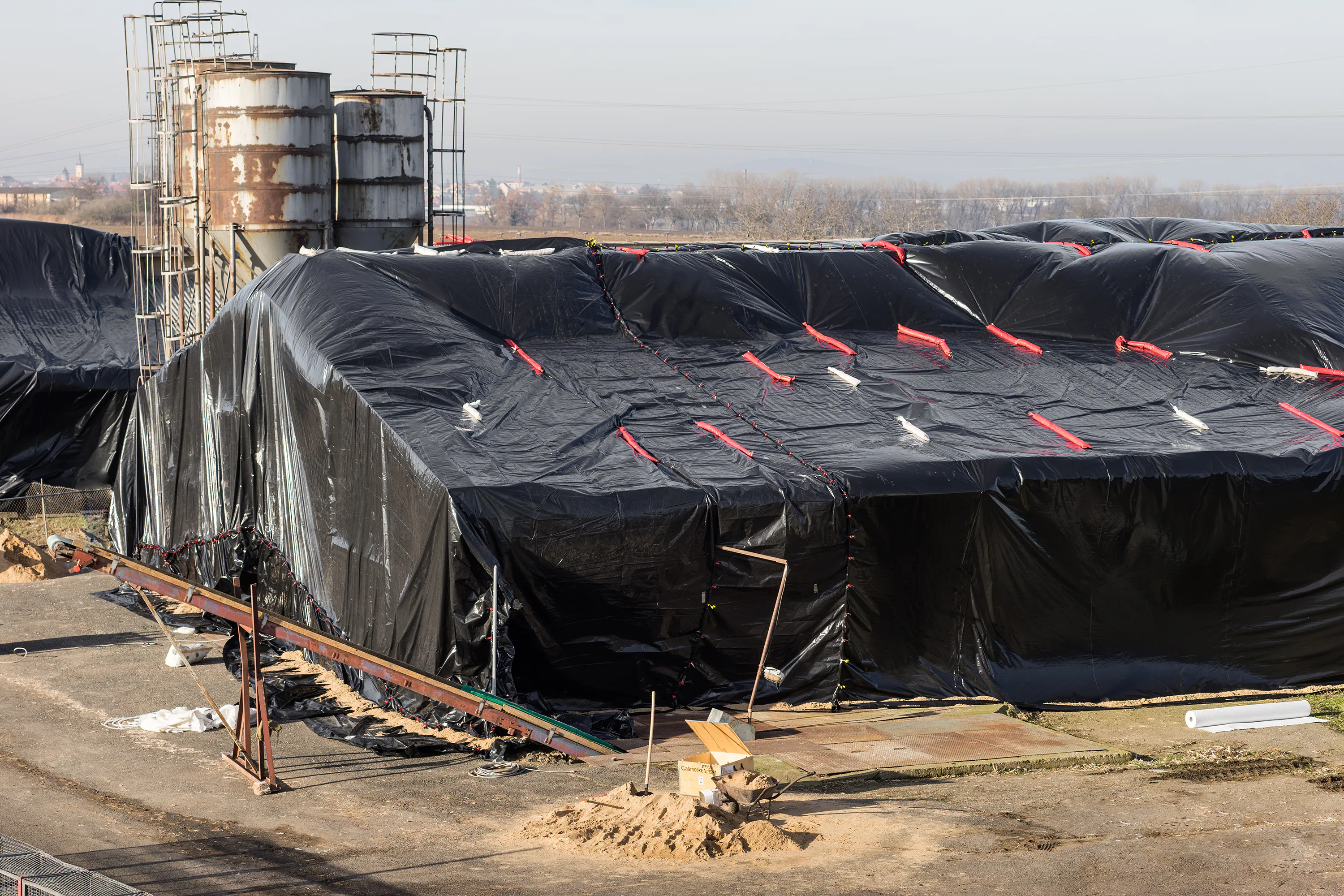
Fumigation involves introducing toxic gases into sealed environments to eliminate pests at every life stage. Whilst these fumigants effectively destroy stored product insects, rodents, and other unwanted organisms, they leave behind residues, dead pests, and chemical traces that require proper removal before facilities can safely reopen.
What Fumigation Leaves Behind
After fumigation treatment, commercial properties contain several hazardous elements requiring professional attention:
- Fumigant residues: Chemical traces on surfaces, equipment, and processing areas
- Dead pest material: Insect bodies, droppings, and debris throughout the facility
- Contaminated surfaces: Areas exposed to both pests and fumigation chemicals
- Chemical odours: Lingering fumigant smells requiring neutralisation
- Compromised materials: Food products, packaging, and equipment requiring disposal or thorough cleaning
The combination of pest contamination and fumigation residue creates health hazards that standard cleaning methods cannot adequately address. Food manufacturing facilities, grain stores, and agricultural operations face particularly stringent requirements due to food safety regulations and product contamination risks.
UK Safety Standards for Post-Fumigation Re-entry
UK law governs post-fumigation safety through several regulatory frameworks. The Control of Substances Hazardous to Health Regulations 2002 (COSHH) classifies fumigants as hazardous substances, requiring proper risk assessments and safety measures before workers can re-enter treated areas.
Professional fumigation technicians monitor gas concentrations using calibrated detection equipment, ensuring levels fall below workplace exposure limits before issuing clearance certificates. However, clearance for re-entry doesn’t mean the facility is ready for food production or normal operations. Thorough cleaning remains essential to remove residual chemicals and pest contamination.
The Health and Safety at Work Act 1974 places responsibility on employers to maintain safe working environments. For food businesses, the Food Safety Act 1990 and associated hygiene regulations demand that facilities remain free from contamination that could compromise product safety. These combined requirements make professional post-fumigation cleaning a legal necessity rather than an optional precaution.
Why DIY Cleaning Falls Short After Fumigation
Many facility managers consider using in-house maintenance teams for post-fumigation cleaning to reduce costs. This approach creates significant risks that ultimately prove far more expensive than professional services.
Health Risks from Improper Cleaning
Fumigant residues require specialist handling to prevent worker exposure:
- Respiratory hazards: Disturbing residues without proper ventilation creates inhalation risks
- Skin contact: Direct exposure to chemical residues causes irritation and potential poisoning
- Cross-contamination: Improper cleaning spreads residues to previously unaffected areas
- Inadequate protection: Standard cleaning PPE doesn’t provide sufficient protection against fumigation chemicals
Standard cleaning staff lack training in hazardous substance handling and typically don’t have access to appropriate respiratory protection equipment. What appears to be a simple cleaning task actually requires specialist knowledge of fumigant properties, proper decontamination sequences, and safety protocols that general maintenance teams don’t possess.
Incomplete Pest Removal
Dead pests following fumigation create ongoing contamination risks that require thorough removal:
Insect bodies and debris often accumulate in inaccessible locations including wall cavities, machinery housings, ceiling spaces, ventilation systems, and beneath storage racking. Standard vacuuming doesn’t adequately remove pest material from these locations. Professional services use HEPA-filtered equipment specifically designed to capture fine particulate matter including pest fragments, allergens, and fumigation dust.
For food manufacturing facilities, even microscopic pest contamination can trigger product recalls, regulatory action, and customer contract terminations. The financial consequences of inadequate pest removal far exceed professional cleaning costs.
Missing Critical Areas
Post-fumigation cleaning requires systematic coverage of every surface and space:
- Processing equipment internals and machinery cavities
- Overhead structures, lighting fixtures, and ceiling areas
- Ventilation systems, ductwork, and air handling units
- Storage areas, shelving systems, and racking structures
- Floor drains, sumps, and water collection points
- Building fabric including walls, windowsills, and structural elements
In-house teams typically focus on visible surfaces whilst missing the comprehensive coverage that professional services provide. This selective approach leaves contamination sources that compromise subsequent food safety audits and create ongoing pest attraction.
The Professional Post-Fumigation Cleaning Process
Specialist post-fumigation cleaning follows systematic protocols developed specifically for fumigated environments. Dealey Environmental’s approach ensures thorough decontamination whilst minimising operational downtime.
Initial Site Assessment and Planning
Professional services begin with comprehensive facility assessment:
Expert technicians conduct detailed inspections identifying all fumigated areas, evaluating residue levels, locating dead pest accumulations, and assessing equipment and surface conditions. This assessment informs cleaning strategies tailored to specific fumigation types, facility layouts, and operational requirements.
Planning includes coordination with production schedules to minimise business disruption, identification of areas requiring priority cleaning for early restart, and establishment of cleaning sequences preventing cross-contamination. For food manufacturers, planning incorporates food safety zone protocols ensuring appropriate cleaning methods for different risk areas.
Ventilation and Atmospheric Monitoring
Before physical cleaning commences, professional services establish proper ventilation:
- Extended aeration periods allowing fumigant dissipation
- Forced air circulation using industrial fans and ventilation equipment
- Continuous atmospheric monitoring confirming safe working conditions
- Documentation of air quality readings for regulatory compliance
This preparatory phase ensures the working environment remains safe for cleaning operatives and prevents fumigant re-concentration in enclosed spaces. Professional services maintain monitoring throughout the cleaning process, particularly when accessing confined spaces or sealed equipment areas.
Dead Pest Removal and Disposal
Systematic pest material removal forms the foundation of post-fumigation cleaning:
Technicians use HEPA-filtered industrial vacuums to collect dead insects from all surfaces, capturing fine particulate matter that standard equipment would recirculate. Dead pest material requires disposal as controlled waste, with proper documentation meeting UK waste regulations.
For grain stores and agricultural facilities, pest removal includes fumigation sheeting areas, commodity surfaces, structural elements, and equipment housings. Food manufacturing plants require particular attention to processing lines, packaging areas, and any location where pest material could contaminate products.
Surface Decontamination and Disinfection
Following pest removal, comprehensive surface cleaning eliminates fumigant residues:
Professional cleaning solutions specifically formulated for fumigation residue break down chemical compounds whilst avoiding damage to equipment and surfaces. Different surfaces require different approaches including stainless steel processing equipment, concrete floors and structural elements, plastic materials and packaging equipment, and electronic equipment and control panels.
Cleaning protocols follow strict sequences preventing cross-contamination between zones. For food manufacturing facilities, this includes distinction between high-risk and low-risk areas, implementation of colour-coded equipment preventing cross-contamination, and use of food-safe disinfectants meeting industry standards.
Equipment and Infrastructure Cleaning
Post-fumigation cleaning extends beyond simple surface wiping:
- Processing equipment: Internal cleaning of mixers, conveyors, and production machinery
- Ventilation systems: Duct cleaning removing pest debris and fumigant residues
- Storage systems: Thorough cleaning of racking, bins, and commodity containers
- Utility areas: Cleaning of electrical systems, pipework, and infrastructure components
This comprehensive approach ensures fumigation residues don’t contaminate subsequent production runs. Professional technicians understand equipment tolerances, cleaning method limitations, and proper procedures protecting sensitive machinery whilst achieving thorough decontamination.
Environmental Monitoring and Clearance
Professional services conclude with verification testing:
Swab testing confirms absence of pest contamination on food contact surfaces. Environmental monitoring demonstrates effective cleaning outcomes. Photographic documentation records cleaning completion for audit purposes. Formal clearance certificates provide evidence of regulatory compliance.
This documentation proves essential for food safety audits, BRC certification assessments, and demonstrating due diligence to enforcement authorities. Without professional verification, facilities risk proceeding with inadequate cleaning that could trigger subsequent compliance failures.
Industry-Specific Post-Fumigation Requirements
Different sectors face unique post-fumigation cleaning challenges requiring specialist knowledge and approaches.
Food Manufacturing Facilities
Food processing plants operate under strict hygiene regulations making post-fumigation cleaning particularly critical:
BRC Global Standards and other food safety certifications require documented cleaning procedures, verified pest control outcomes, and demonstrated contamination prevention measures. Post-fumigation cleaning must eliminate any risk of chemical residues contaminating products whilst removing pest material that could trigger foreign body complaints.
Professional services understand zoning requirements for food facilities, implementing appropriate cleaning protocols for high-care, high-risk, and low-risk areas. Cleaning schedules coordinate with production restart sequences, ensuring priority areas receive attention allowing phased facility reopening.
Grain Stores and Agricultural Operations
Agricultural facilities face particular challenges with commodity contact surfaces:
Grain stores require cleaning of storage structures, handling equipment, transport systems, and associated buildings. Fumigation sheeting removal generates significant dust and debris requiring controlled disposal. Commodity surfaces themselves may retain fumigant residues requiring aeration monitoring before grain becomes safe for milling or feed manufacture.
Professional services provide clearance certificates confirming grain meets workplace exposure limits for fumigants. This documentation proves essential for demonstrating compliance with food and feed safety regulations, protecting both the facility operator and downstream customers.
Pharmaceutical and Healthcare Facilities
Cleanroom environments and pharmaceutical manufacturing require specialised post-fumigation protocols:
These facilities cannot tolerate any chemical contamination that might affect product integrity. Professional cleaning services use validated procedures, documented cleaning agents, and environmental monitoring confirming successful decontamination. Special attention focuses on HVAC systems, cleanroom surfaces, and critical manufacturing areas.
The pharmaceutical sector requires extensive documentation demonstrating cleaning effectiveness, making professional services with proper quality systems essential for regulatory compliance.
Cost Considerations and Value Protection
Post-fumigation cleaning represents a significant investment, yet the costs of inadequate cleaning far exceed professional service charges.
Direct Cost Comparison
Professional post-fumigation cleaning typically ranges from £500 to £5,000 depending on facility size, fumigation type, and cleaning requirements. Large food manufacturing plants or grain storage complexes may require £10,000+ for comprehensive decontamination.
These costs include specialist equipment, trained operatives, proper PPE, waste disposal, environmental monitoring, and compliance documentation. Attempting DIY approaches might save immediate labour costs but typically requires multiple attempts, extended downtime, and inadequate outcomes that ultimately cost more through operational delays.
Hidden Costs of Inadequate Cleaning
Facilities that skip professional post-fumigation services face substantial financial risks:
- Product recalls: Contamination incidents triggering customer returns and regulatory action
- Production stoppages: Food safety audits identifying inadequate cleaning requiring facility closure
- Regulatory penalties: Prosecution under food safety or health and safety legislation
- Insurance implications: Claims denied due to inadequate pest control or cleaning procedures
- Customer contract loss: Audit failures terminating supply agreements with major buyers
- Reputation damage: Food contamination incidents creating lasting brand harm
A single product recall or customer contract termination typically costs tens of thousands to hundreds of thousands of pounds. Professional cleaning services costing a few thousand pounds represent remarkably cost-effective insurance against these catastrophic outcomes.
Operational Continuity Benefits
Professional post-fumigation cleaning minimises business disruption:
Experienced teams work efficiently, completing comprehensive cleaning in days rather than weeks. Proper planning allows phased facility reopening, with priority production areas cleaned first enabling partial operations whilst remaining areas receive attention.
Professional documentation expedites customer audit acceptance and regulatory approval for restart, preventing extended operational delays. The combination of rapid, thorough cleaning and proper certification allows businesses to resume revenue-generating activities with minimal lost production time.
Integrating Fumigation and Cleaning Services
The most effective approach combines fumigation and post-treatment cleaning through single-source providers offering both services.
Advantages of Integrated Service Delivery
Using the same company for fumigation and cleaning creates multiple benefits:
Single suppliers understand exactly what fumigation treatment occurred, enabling targeted cleaning approaches addressing specific fumigant properties and application methods. Coordination between fumigation and cleaning teams prevents scheduling conflicts, ensuring cleaning commences immediately following clearance certification.
Integrated service delivery provides unified documentation demonstrating complete pest control and cleaning processes to auditors and regulators. Single-point accountability eliminates finger-pointing between separate contractors if issues arise, simplifying problem resolution and warranty claims.
How Dealey Environmental Delivers Comprehensive Solutions
Dealey Environmental provides complete fumigation and post-treatment cleaning services, eliminating coordination challenges between multiple contractors. The company’s fumigation specialists work alongside specialist cleaning technicians, ensuring seamless transitions from pest elimination through facility decontamination to operational restart.
Dealey’s teams understand the specific cleaning requirements following different fumigation methods including phosphine fumigation, sulfuryl fluoride treatments, and heat treatment applications. This specialist knowledge ensures appropriate cleaning protocols addressing each treatment type’s unique residue characteristics.
The company’s quality systems provide comprehensive documentation meeting food safety, agricultural, and pharmaceutical sector requirements. From initial fumigation planning through final clearance certification, clients receive complete audit trails demonstrating regulatory compliance and due diligence.
Planning for Post-Fumigation Success
Effective post-fumigation outcomes require advance planning:
Discuss post-fumigation cleaning requirements during initial consultation. Establish cleaning scope including all areas requiring attention and any priority zones. Coordinate timing allowing efficient transitions between fumigation clearance and cleaning commencement. Budget appropriately for both fumigation and subsequent cleaning as integrated pest control investment.
Facilities that treat post-fumigation cleaning as an afterthought rather than essential component create unnecessary complications, extended downtime, and incomplete pest control outcomes. Professional planning from the outset delivers superior results with minimum disruption.
Ensuring Long-term Pest Prevention
Post-fumigation cleaning provides opportunities to implement preventive measures reducing future pest risks.
Proofing and Exclusion Opportunities
Clean facilities allow clear identification of pest entry points:
- Structural gaps and openings requiring sealing
- Damaged door seals and loading bay vulnerabilities
- Utility penetrations lacking proper sealing
- Drainage issues creating pest harbourage
Professional cleaning services can identify and report these vulnerabilities, enabling proofing work preventing pest re-establishment. The post-fumigation period represents an ideal time for implementing preventive improvements before operations resume.
Hygiene Improvements and Monitoring Systems
Deep cleaning establishes baseline cleanliness standards for ongoing maintenance:
Facilities can implement enhanced cleaning schedules maintaining post-fumigation cleanliness levels. Installation of pest monitoring systems during the restart period enables early detection of any returning pest activity. Professional services can advise on appropriate monitoring locations and checking frequencies based on facility layout and pest risks.
For food manufacturers, post-fumigation periods offer opportunities to review and improve cleaning procedures, implement environmental monitoring programmes, and train staff on maintaining higher hygiene standards preventing future infestations.
Making the Professional Cleaning Decision
Choosing professional post-fumigation cleaning services protects businesses from health hazards, regulatory non-compliance, and operational disruptions that inadequate cleaning creates.
Questions to Ask Potential Providers
When evaluating post-fumigation cleaning services, consider these essential questions:
- What specific training do technicians have in fumigation residue handling?
- What certifications and insurance coverage does the company maintain?
- What cleaning protocols and procedures will be followed?
- What monitoring and verification testing will confirm cleaning effectiveness?
- What documentation will be provided demonstrating regulatory compliance?
- What experience does the company have in your specific industry sector?
Professional providers clearly answer these questions with specific information about qualifications, procedures, and previous experience. Vague responses or inability to discuss technical cleaning requirements indicates inadequate expertise for fumigation decontamination work.
Why Dealey Environmental for Post-Fumigation Cleaning
Dealey Environmental’s specialist cleaning services complement the company’s extensive fumigation expertise, providing seamless integrated pest control solutions for commercial and agricultural clients across East Anglia and beyond.
The company’s cleaning technicians receive specialist training in fumigation residue handling, COSHH compliance, and food safety requirements. All operatives hold relevant certifications including RSPH qualifications in pest management and specialist cleaning disciplines.
Dealey Environmental maintains comprehensive insurance coverage specifically including fumigation-related cleaning activities. The company’s health and safety systems meet the stringent requirements of food manufacturers, pharmaceutical companies, and agricultural businesses requiring demonstrated safety management.
Whether dealing with grain store fumigation, food manufacturing facility treatments, or agricultural commodity protection, Dealey Environmental’s integrated approach delivers complete solutions from initial pest control through facility clearance to operational restart.
Protecting Your Business Through Professional Post-Fumigation Cleaning
Post-fumigation deep cleaning isn’t optional maintenance work. It represents a critical safety requirement protecting workers, ensuring regulatory compliance, and safeguarding product integrity following fumigation treatments.
Professional cleaning services deliver thorough decontamination that DIY approaches cannot match. The combination of specialist equipment, trained operatives, proper safety protocols, and comprehensive documentation provides assurance that facilities can safely resume operations without lingering contamination risks.
For commercial properties across East Anglia requiring fumigation services, Dealey Environmental provides complete solutions integrating pest control treatment with essential post-fumigation cleaning. The company’s specialist teams deliver the expertise necessary for safe, compliant facility decontamination meeting the rigorous standards of food manufacturing, agricultural, and pharmaceutical sectors.
Contact Dealey Environmental today on 01359 269713 to discuss fumigation and post-treatment cleaning requirements, or email info@dealey.co.uk to arrange a consultation. Dealey’s integrated approach ensures your facility receives comprehensive pest control and cleaning services minimising operational disruption whilst protecting your business operations, workforce safety, and regulatory compliance.