Late summer is the peak of the UK insect year. Colonies that have been building since spring reach their maximum size in August and September, harvest fills grain stores with warm new crop, and insects that were spread across the landscape start moving towards buildings. For commercial, food and farm sites that means wasps at their most troublesome, stored product insects at their most damaging and flies at their most persistent, which is why our commercial insect control services are busiest in these weeks.
This guide answers the questions we are asked most often about late summer insects, and sets out what to do about each one.
Which insects are most active in late summer in the UK?
The end of summer insect problem is really five separate problems arriving at once. Each needs a different response.
| Insect | Why now | Main risk |
|---|---|---|
| Wasps | Colonies at maximum size, workers switch to sugar | Stings, staff safety, product contamination |
| Stored product insects | Warm new grain entering store after harvest | Grain rejection, weight and quality loss |
| Flies | Fast breeding in warm weather, fruit and waste sources | Food safety and audit failures |
| Flying ants | Nuptial flight season peaks | Swarms in and around buildings |
| Fleas | Warm, humid conditions favour the life cycle | Bites, complaints in occupied premises |
If you only act on one of these, make it the grain store, because that is where seasonal insect damage costs the most money.
Why do wasps become more aggressive in August and September?
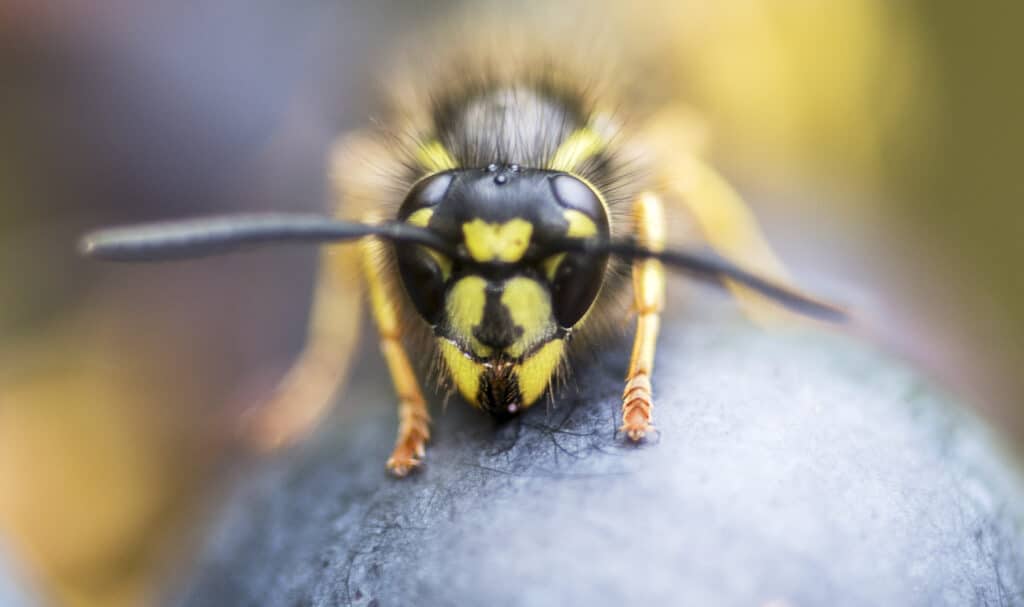
Because the workers lose their food supply. Through spring and early summer, wasp workers hunt insects to feed the colony’s larvae, and the larvae reward them with a sugary secretion. As explained in research on why wasps become so annoying at the end of summer, a colony can grow to around 10,000 workers by late summer.
As the larvae pupate, the ratio of workers to larvae shifts and thousands of workers are left with no brood to feed and no sugar reward. They go looking for sugar elsewhere, which is why they turn up at bins, loading bays, outdoor seating and fruit stores just as the weather is still warm enough for people to be outside.
What should businesses do about wasps in late summer?
- Treat or remove nests professionally rather than disturbing them, since a large late season colony reacts strongly
- Keep external bins lidded, cleaned and away from doors and outdoor seating
- Fit and maintain fly screens and self-closing doors on food handling areas
- Brief staff not to swat foraging wasps near customers or production lines
- Log sting incidents so risk assessments reflect the real picture
By the time a site is searching for wasp pest control near me in August, the colony is already at full strength, so planned inspections earlier in the season give a much better outcome than emergency call-outs.
What is flying ant season and when does it happen?
Flying ant day is a misnomer. Research collated by the Royal Society of Biology flying ant survey found there is no single national day when winged ants emerge, but rather a flying ant season with multiple short peaks.
Winged ants can appear at any point between June and the start of September, most commonly in July and August. Flights happen on warm, still days when conditions have improved on the day before, and often after summer rain.
For most sites the swarms are a nuisance rather than a hazard, but a repeat swarm inside a building points to a nest in or under the structure. That needs pest control for ants at the nest rather than a spray at the swarm.
Why is late summer the riskiest time for grain stores?
Because new crop goes into store warm, and warm grain is where stored product insects breed fastest. Insect breeding in stored grain is rapid between 25°C and 33°C, and most insect species only stop breeding once grain is between 15°C and 12°C, though grain weevils may still reproduce slowly.
Cooling is therefore the single most effective agricultural pest control measure available after harvest.
What are the cooling targets after harvest?
AHDB cooling targets for grain storage set out three stages:
- Cool below 15°C within two weeks of harvest to reduce insect activity
- Cool below 12°C within three to four months to stop insect breeding
- Cool below 5°C by the end of December, which helps kill adult insects and stops mites increasing
Malting barley is usually the exception and is not normally cooled below 10°C, because lower temperatures can trigger secondary dormancy and reduce germination.
Which insects attack stored grain?
The three insect species AHDB highlights in the grain store environment are:
- Grain weevil (Sitophilus granarius)
- Saw-toothed grain beetle (Oryzaephilus surinamensis)
- Rust-red grain beetle (Cryptolestes ferrugineus)
Mites and storage fungi travel with them. Storage fungi become active in cereal grain above roughly 14.5% moisture content, and most mite species do not breed below 65% relative humidity, so moisture control and temperature control work together.
The threshold that surprises people is how small an infestation has to be to matter. AHDB notes that even a single insect in a one kilogram grain sample may represent a potentially serious infestation.
How do you keep insects out of a grain store?
- Clean and treat the empty store before harvest, which is always cheaper than treating infested grain, as we explain in our guide to pre-harvest insecticide treatments
- Pay attention to cracks, ledges, pit and conveyor areas where residual populations survive between seasons
- Dry and cool to the AHDB targets, then keep monitoring temperature through the store
- Use pheromone traps to monitor and confirm that treatments have worked
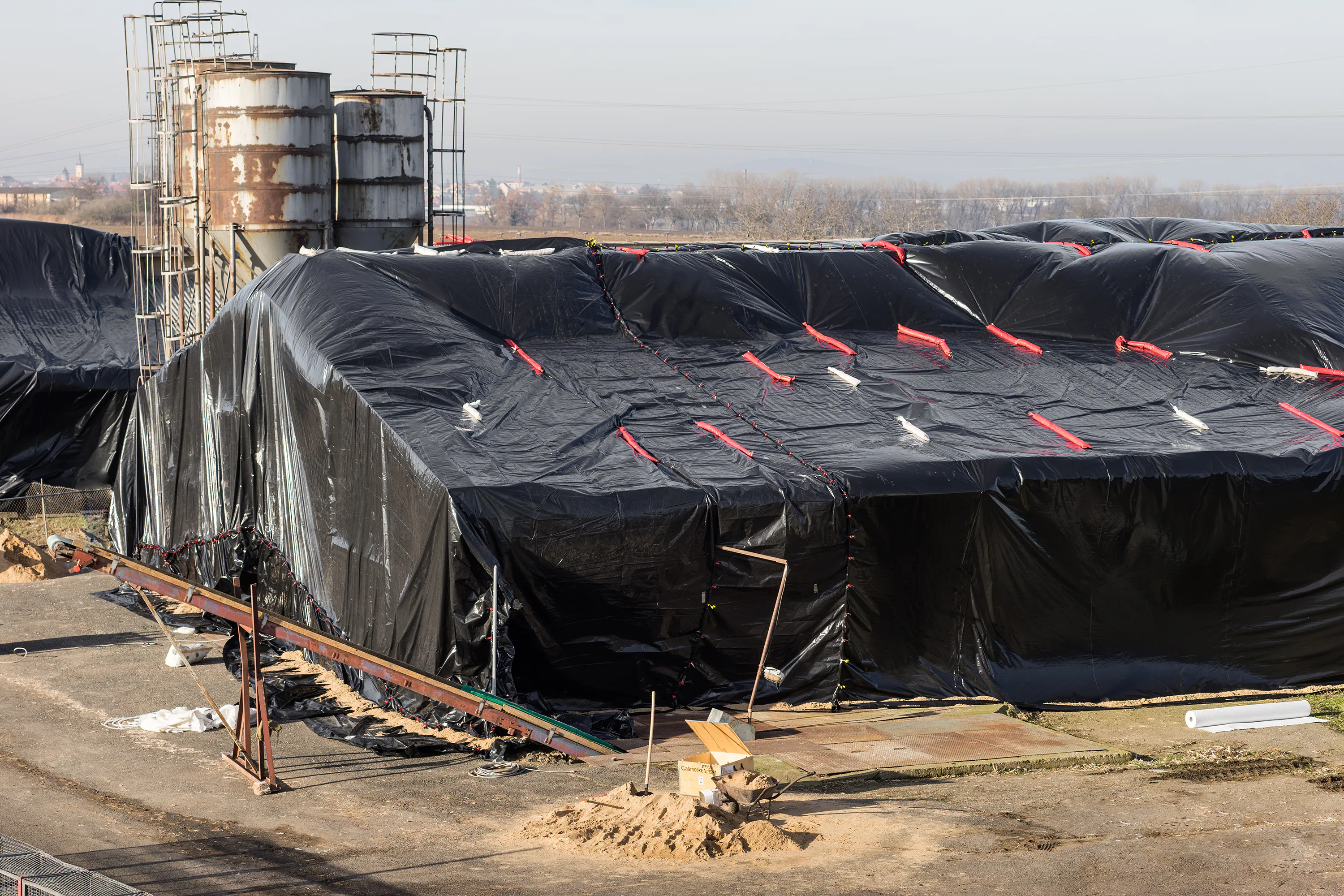
- Escalate to grain fumigation where an infestation is already established in the bulk
What about flies in food premises and warehouses?
Warm weather shortens fly development times, and this time of year brings the added pressure of ripening fruit, harvest residues and heavier waste volumes. For food pest control and warehouse pest control the priority is source removal rather than knockdown treatments.
Check waste compounds, drains, spillage under equipment and any standing organic matter. As temperatures fall in September, cluster flies also start gathering in roof voids and quiet upper floors to overwinter, which is a proofing and monitoring job rather than a treatment job.
Do late summer insects lead to autumn rodent problems?
They are part of the same seasonal shift. As harvest strips the fields and night temperatures fall, both insects and rodents move towards buildings for food, warmth and shelter.
Sites that tighten proofing, waste management and monitoring in August and September usually need far less reactive rodent control in October and November. That is the practical value of integrated pest management: one set of controls, applied early, that deals with several pests at once.
What should a late summer pest control checklist include?
- Inspect and proof the building envelope, including doors, screens, vents and roof voids
- Review waste storage, bin cleaning frequency and external housekeeping
- Clean and treat grain stores and food storage areas before they are filled
- Set or refresh insect monitoring, including pheromone traps in storage areas
- Book wasp nest treatment as soon as nests are identified, not once staff are being stung
- Record everything, so audits and due diligence files reflect the actions taken
Why choose Dealey Environmental for late summer insect control?
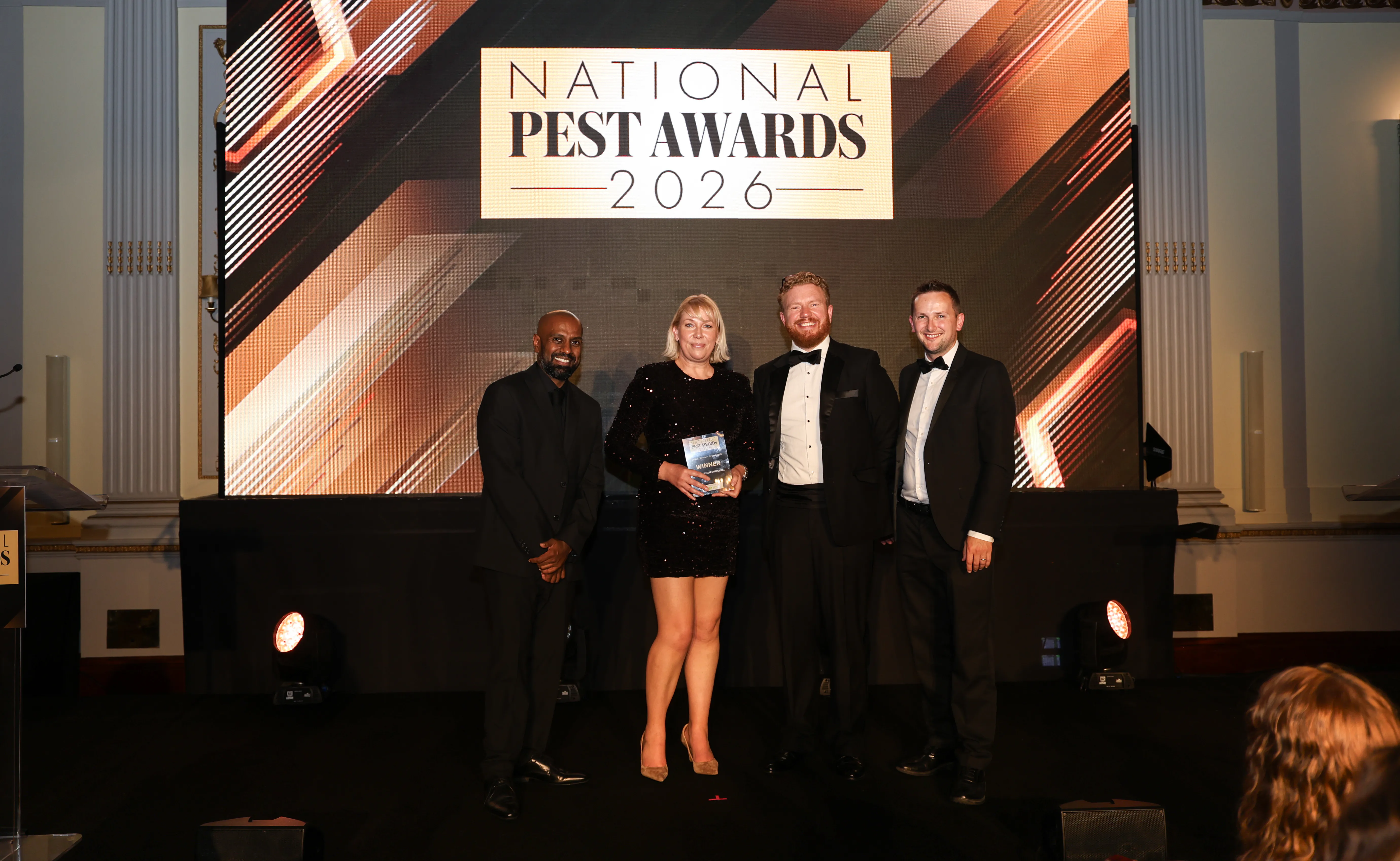
Dealey has worked in pest control and fumigation for over 60 years, and around 70 percent of our team’s work is agricultural, which means harvest and grain store pressure is our core season rather than an afterthought. Our technicians come from fumigation and farming backgrounds, and we combine pre-harvest store treatments, the Dealey Insect Monitoring System with pheromone traps, heat treatment, pheromone confusers and fumigation where it is needed.
We cover Norfolk, Suffolk, Cambridgeshire and Essex, including Norwich, Cambridge and Colchester, and deliver specialist fumigation work across the UK. You can read more about our team and history, or see our wider commercial pest control services and bird control services.
Late summer moves quickly, and the window to treat a store before it fills closes fast. Contact the Dealey team to book an inspection or a pre-harvest treatment this season.