Cambridgeshire’s agricultural landscape presents unique pest control challenges that require specialist knowledge and proven experience. From the fertile fenland around Ely to the grain-producing heartlands surrounding Newmarket, farms across the region face persistent threats from rodents, stored product insects, and seasonal pest pressures that can devastate crops and compromise valuable grain stores. Understanding these challenges and implementing effective pest control strategies, within the Cambridge area, makes the difference between profitable harvests and costly losses.
Understanding Cambridgeshire’s Agricultural Pest Landscape
Rats remain the primary concern for most Cambridgeshire farmers. A single breeding pair can produce dozens of offspring within months, and their persistent gnawing damages everything from electrical systems to structural timbers. More critically, rat contamination renders grain unsaleable, forcing farmers to accept reduced prices or face outright rejection at weighbridges. The reputational damage from a single rejected load can affect trading relationships for years.
Stored product insects present equally serious challenges, particularly in the warmer months when grain temperatures rise. Weevils, saw-toothed grain beetles, and flour beetles can multiply rapidly in stored grain, with populations exploding if conditions favour breeding. Cambridge pest controllers who understand these insects and their lifecycle can implement targeted interventions that protect grain quality without resorting to unnecessary chemical applications.
Seasonal Pest Pressures on Cambridge Farms

Agricultural pest control near Cambridge must account for dramatic seasonal variations in pest activity. Autumn brings the harvest rush, when grain moves rapidly into stores and rodents seek winter shelter in farm buildings. This critical period demands heightened vigilance, as pest populations established during autumn can multiply throughout winter, emerging as major infestations by spring.
Winter conditions across Cambridgeshire drive rodents indoors, concentrating populations in grain stores, feed mills, and livestock buildings. The combination of shelter, warmth, and abundant food creates ideal conditions for rapid reproduction. Farms without robust pest prevention measures in place can see rodent populations spiral out of control during these months.
Spring and summer bring different challenges, with insect pests becoming the dominant concern. Grain stored through winter faces increasing risk as temperatures rise, creating conditions that favour insect breeding. Vigilant monitoring during these months allows early detection and intervention before populations reach damaging levels. Professional pest management includes regular inspections timed to catch emerging infestations whilst they remain manageable.
Compliance and Assurance Schemes
Modern farming operates within a complex framework of assurance schemes and regulatory requirements. Red Tractor certification, TASCC approval, and ACCS compliance all include specific pest control criteria that farms must satisfy. Commercial pest control providers with agricultural experience understand these requirements and structure their services to support compliance audits.
Assurance scheme auditors examine pest control records in detail, looking for evidence of regular monitoring, appropriate responses to pest activity, and documented risk assessments. Farmers using pest removal services that provide comprehensive electronic reporting can demonstrate their compliance far more effectively than those relying on paper-based systems or informal arrangements.
The Campaign for Responsible Rodenticide Use (CRRU) guidelines add another layer of complexity to agricultural pest control. These protocols, designed to protect wildlife whilst controlling target pests, require careful bait placement, regular monitoring, and proper documentation. Pest control specialists in Cambridgeshire trained in CRRU compliance help farmers navigate these requirements whilst maintaining effective rodent control.
Grain Storage Best Practices
Effective pest prevention in grain stores begins long before harvest. Thorough cleaning of stores, proper sealing of structural gaps, and installation of appropriate monitoring equipment create the foundation for successful pest management. Farms that invest time in these preparatory measures consistently experience fewer pest problems throughout the storage period.
Temperature monitoring provides early warning of potential insect problems. Grain temperatures exceeding 15 degrees Celsius create favourable conditions for many stored product insects, whilst cooler grain remains largely pest-free. Pest controllers equipped with thermal imaging and monitoring technology can identify hot spots requiring attention before insect populations establish themselves.
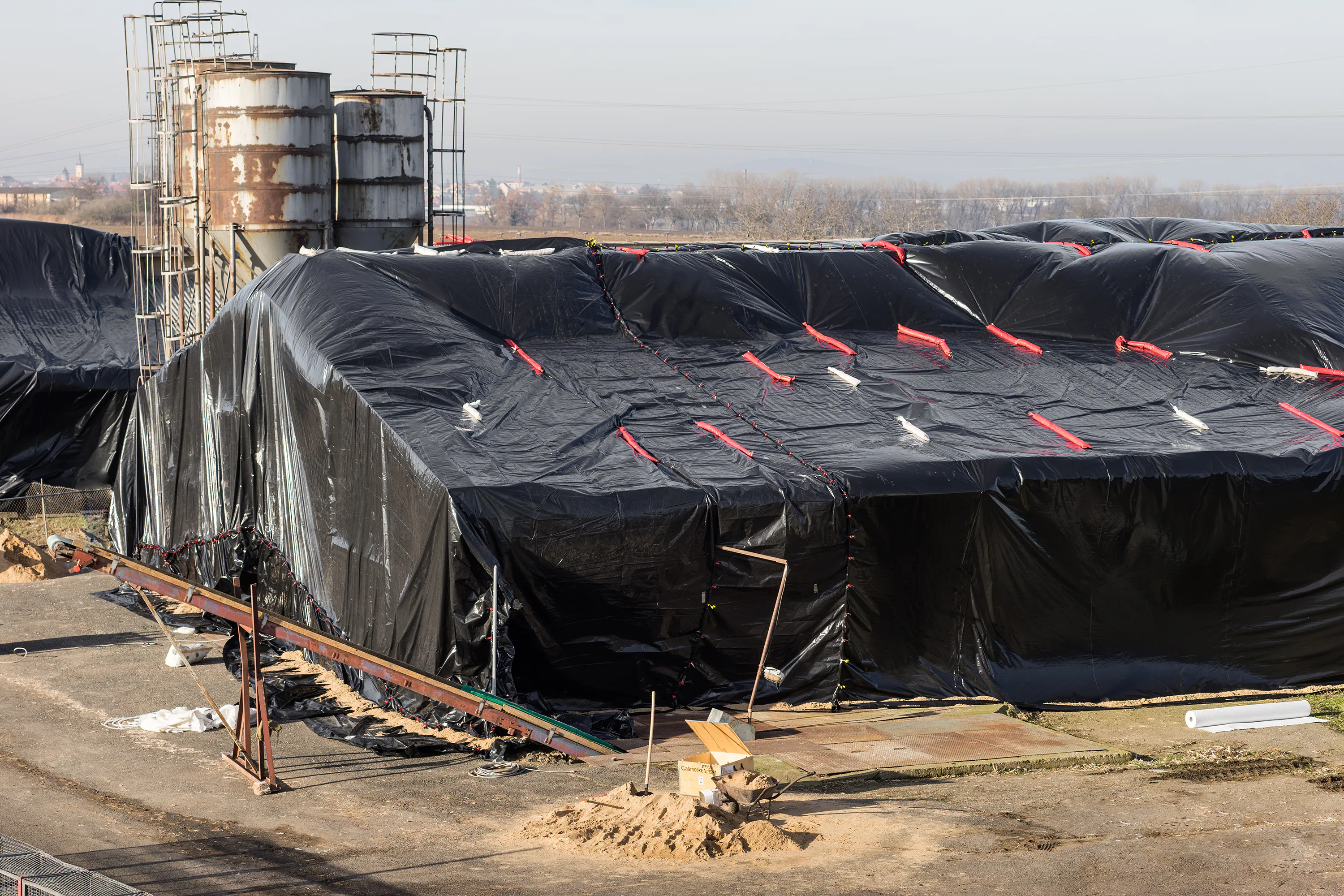
Fumigation represents the ultimate intervention for severely infested grain stores. When preventative measures fail and infestations take hold, professional grain fumigation offers the only guaranteed method of achieving complete pest elimination. This highly specialised service requires qualified fumigation specialists operating under strict safety protocols. Not all Cambridge pest management providers offer fumigation services, making it essential to partner with firms possessing the necessary expertise and licensing.
The Dealey Difference for Cambridgeshire Agriculture
Farming communities value pest controllers who understand agricultural operations and respect the practical realities of farm life. The best pest controllers bring genuine agricultural knowledge to their work, recognising that farms cannot simply shut down for treatments and that pest control must integrate seamlessly with seasonal operations.
Long-term relationships between farmers and pest control providers deliver superior outcomes compared to transactional one-off treatments. When pest removal specialists develop deep familiarity with specific farms, they can tailor monitoring protocols, anticipate seasonal challenges, and respond rapidly when problems emerge. This partnership approach proves far more effective than generic pest control services applied uniformly across diverse agricultural settings.
Protecting Your Agricultural Investment
Cambridgeshire’s agricultural sector deserves pest control services that match the professionalism and expertise farmers bring to their own operations. From routine rodent monitoring to specialist grain fumigation, effective pest management protects the substantial investments farmers make in crops, storage facilities, and livestock operations. By partnering with experienced agricultural pest controllers, farms can maintain the pest-free environments essential for profitable, sustainable operations that meet modern assurance scheme requirements.
Ready to protect your Cambridgeshire farm from pest damage? Contact Dealey Environmental today for a free consultation with pest controllers who genuinely understand agriculture. We’ll assess your specific needs and create a tailored pest management programme that works with your farming calendar and supports your assurance scheme requirements.