Pest Control for Farms

The Three-Step Year-Round Routine to Protect Next Year’s Harvest

This year has again been a mixed picture for UK farmers, with unpredictable weather affecting harvest and grain quality.

We can’t control the Great British weather, but we can act to protect farms from pests and disease. The past few years have been challenging enough. Further damage caused by pests nesting in grain stores or unexpected fumigation is not something any farm needs. Investing in a robust, year-round preventative strategy now could be the smartest move you make to protect the 2026 harvest.

Dealey recommend three key steps to keep grain in top condition and protect margins.
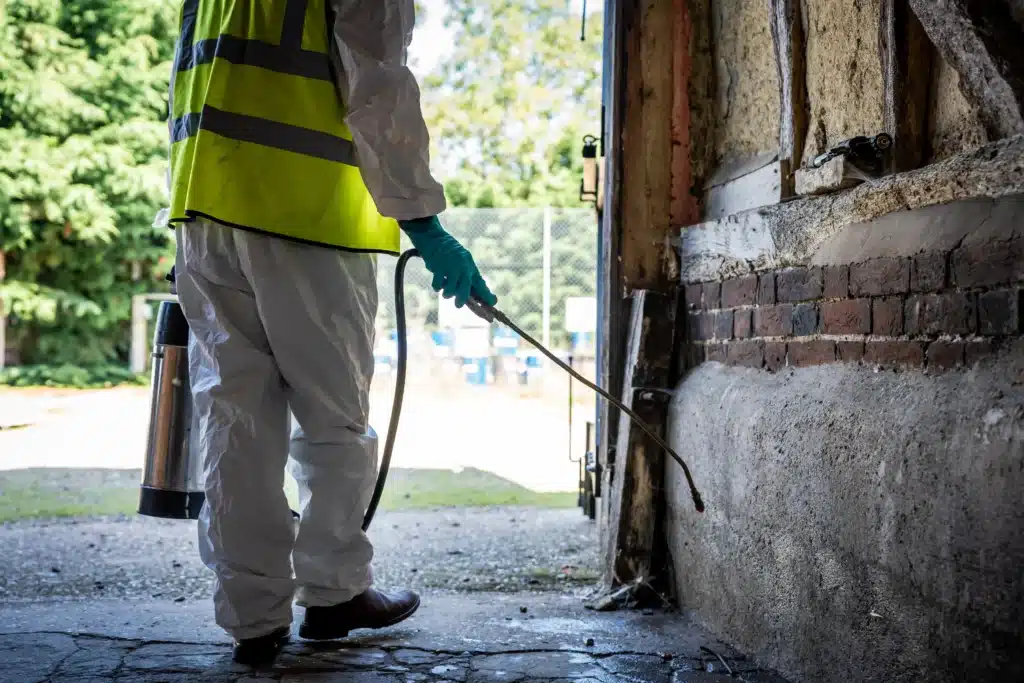
Step 1: Pre-Harvest Maintenance and Cleaning

Prevention is more cost-effective than cure. Before harvest, clean and pest-proof grain stores and surrounding areas.

Best practice includes:

  • Clean grain stores thoroughly: remove old grain, dust, and debris that harbour pests.
  • Remove insect habitats and limit rodent food sources.
  • Apply approved residual insecticides to perimeters, vents, and ladder wells (following product labels and Red Tractor rules).
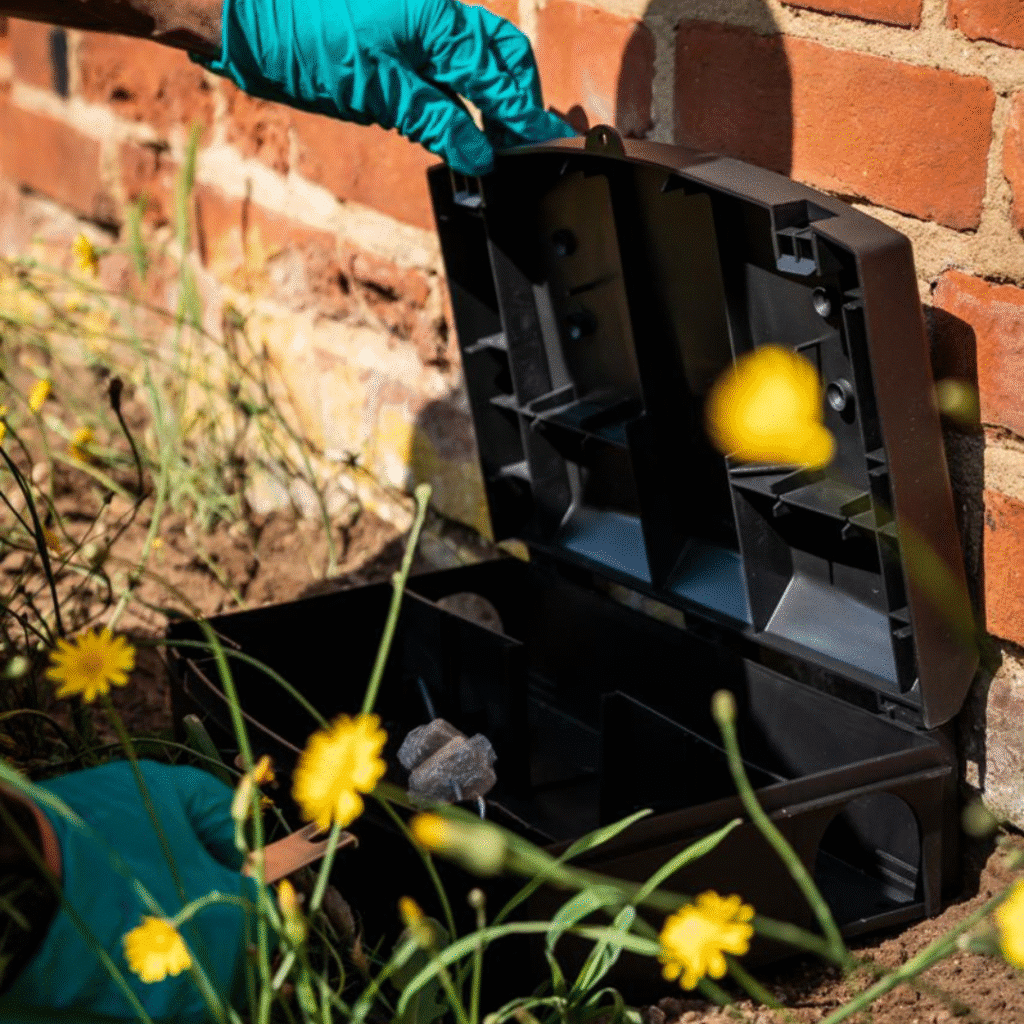
  • Protect machinery and wiring: fit rodent guards, seal cable looms, and use bait stations in line with CRRU guidelines.
  • Record all treatments and conditions for compliance and planning.

Step 2: Grain Store Monitoring and Eradication

Once stores are sealed, focus on monitoring and rapid response. Even with good preparation, pests such as weevils or rodents can appear.

Key actions:

  • Check ingress points regularly.
  • Use insect traps and bait stations as part of an Integrated Pest Management (IPM)
    plan.

Outsourcing to Dealey brings expertise and frees up farm staff for other priorities. We monitor trap counts, track treatments, and act quickly to stop problems escalating.
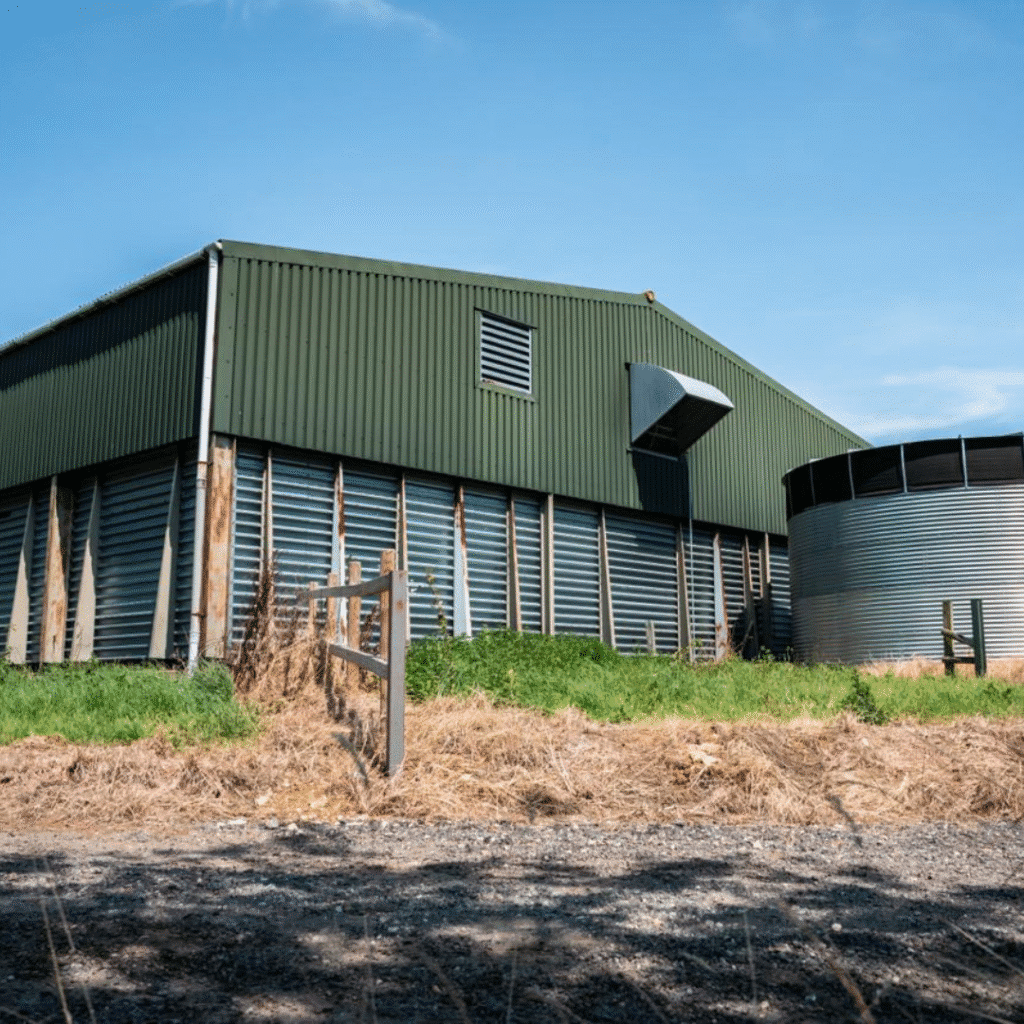
Farm grain store

Step 3: Post-Harvest Hygiene and Storage Control

Good storage hygiene continues after the grain is in.

  • Control temperature and humidity: keep grain below 15°C and humidity under 65% to prevent insects and mould.
  • Maintain clean surroundings: remove spilt grain, repair cracks, and clear vegetation.
  • Watch for pest signs: droppings, gnaw marks, or insect wings mean action is needed.
  • Document every task. Consistent records protect yields and your reputation.

A year-round approach keeps pest threats manageable, machinery running, and profits
predictable. While good prevention greatly reduces risk, fumigation or controlled-atmosphere treatments may still be needed for severe infestations, so having expert support on hand is essential.

Send your enquiry through today and we’ll take care of the rest.