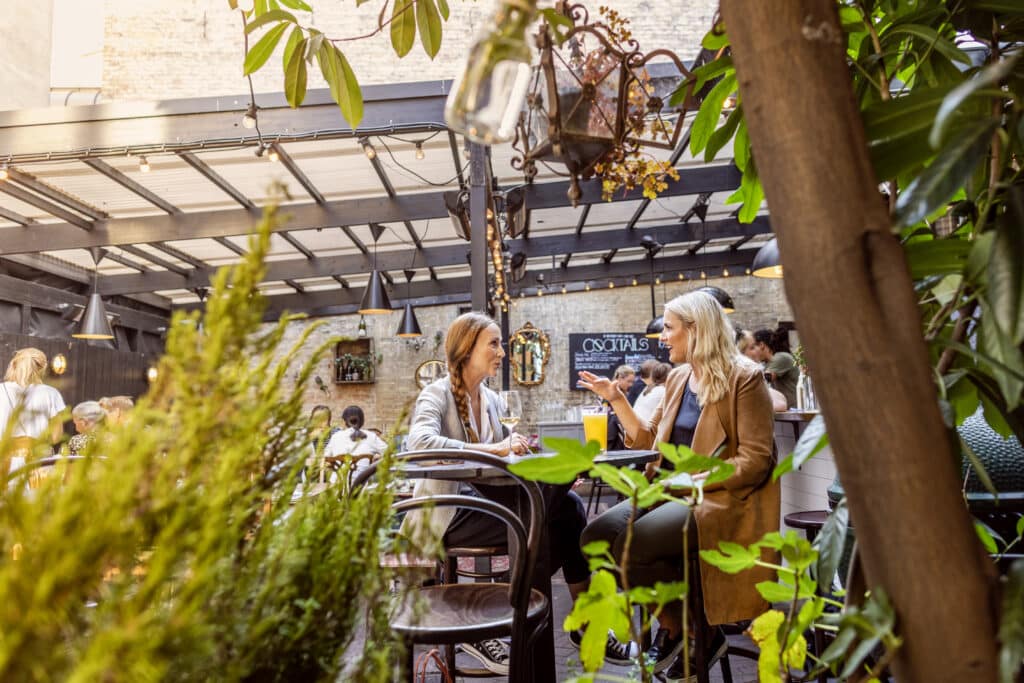
Pubs and restaurants with beer gardens or outdoor dining areas face a serious wasp and insect control challenge every summer. Wasps, flies, ants, and other insects are drawn to the food, drink, and warmth that hospitality venues provide, and once they take hold they can drive customers away, trigger complaints, and put your food hygiene rating at risk. Professional pest control gives you a reliable, lasting solution that goes beyond basic deterrence.
Why Are Pubs and Restaurants So Vulnerable to Wasps and Insects?
Hospitality premises offer everything an insect needs: food residues, sugary drinks, warm kitchens, and sheltered outdoor spaces. Beer gardens in particular attract wasps from late summer onwards, when natural food sources decline and colonies begin to forage more aggressively.
Flies are a year-round concern in pub and restaurant kitchens. They breed in drains, waste areas, and food debris, spreading bacteria to surfaces and food at speed. A single bluebottle can contaminate a food preparation area within minutes of landing.
Ants often enter through small gaps in flooring or brickwork and head directly for food storage areas. Though less dramatic than a wasp nest, a sustained ant problem can be equally damaging to a food hygiene inspection outcome.
What Insects Are Most Commonly Found in Hospitality Settings?
The most frequently encountered insects in pubs and restaurants include:
- Wasps, particularly common wasps (Vespula vulgaris) and German wasps (Vespula germanica), which nest in roof spaces, wall cavities, and garden structures
- Houseflies and bluebottles, which breed in kitchen waste, drains, and damp organic material
- Fruit flies (Drosophila), attracted to fermented liquids, ripe fruit, and beer lines
- Ants, including black garden ants and, in some commercial kitchens, pharaoh ants
- Cockroaches, which thrive in warm, moist kitchen environments and are a serious food hygiene risk
- Stored product insects (SPIs), such as flour beetles and grain weevils, which can infest dry goods storage areas
Each species requires a specific treatment approach. Broad-spectrum sprays rarely resolve the underlying problem, which is why integrated pest management is the most effective long-term strategy for hospitality businesses.
When Is Wasp Season and Why Does It Matter for Outdoor Venues?
Wasp activity in the UK typically peaks between July and October. During this period, colonies can number in the tens of thousands, and worker wasps become increasingly drawn to sugary foods and drinks as the colony’s breeding cycle winds down.
For pubs and restaurants with beer gardens, this timing coincides with their busiest trading period. A wasp nest close to an outdoor seating area can make the space unusable and, in the worst cases, lead to customer stings and the risk of serious allergic reactions.
Acting early is far more effective than waiting until a nest is fully established. If you notice increased wasp activity around your premises in spring or early summer, arranging a survey from a professional pest control company at that stage will be considerably cheaper and less disruptive than emergency treatment at peak season.
How Can Pubs and Restaurants Deter Wasps and Insects?
What simple measures reduce insect attraction?
There are practical steps that hospitality businesses can take to reduce the conditions that attract insects in the first place:
- Keep outdoor bin lids closed and empty bins frequently during summer months
- Clean up spilled drinks from tables and outdoor surfaces promptly
- Store fruit and sugary ingredients in sealed containers
- Fit fly screens to kitchen windows and back doors where possible
- Keep drains clear and treat them regularly to prevent fly breeding
- Check roof soffits, eaves, and wall cavities early in spring for wasp nest formation
These measures reduce risk but are rarely sufficient on their own, particularly for venues with high footfall. A professional insect control service provides the systematic treatment and monitoring that self-help methods cannot replicate.
What professional treatments are available?
Professional insect control for pubs and restaurants typically involves a combination of the following, depending on the pest species and severity of the problem:
- Wasp nest treatment using insecticidal dust or foam applied directly to the nest entrance
- Fly control using ultraviolet fly killers (UFKs), pheromone traps, or residual insecticide treatment in affected areas
- Drain treatment to eliminate fly breeding sites using enzymatic products or specialist cleaning
- Insect monitoring programmes that allow pest activity to be tracked and treated before infestations take hold
- Integrated pest management plans that combine proofing advice, treatment schedules, and ongoing monitoring
Dealey Environmental has been delivering specialist commercial pest control services for over 60 years, with deep expertise in insect identification, treatment, and prevention across a wide range of commercial settings.
Do Pubs and Restaurants Have a Legal Duty to Control Insects?
Yes. UK food businesses are legally required to maintain pest-free premises under the Food Safety Act 1990 and Regulation (EC) No 852/2004 on food hygiene. The Food Standards Agency (FSA) expects food businesses to have effective pest control arrangements in place as part of their food safety management system.
Environmental Health Officers (EHOs) check for evidence of pest activity during food hygiene inspections. Evidence of flies, wasps, or other insects in food preparation or storage areas can result in a lower food hygiene rating, a formal hygiene improvement notice, or, in serious cases, closure of the premises.
Maintaining a professional pest control contract, with documented inspection records, demonstrates due diligence and can protect your business in the event of a complaint or inspection.
How Much Does Commercial Pest Control Cost for Hospitality Businesses?
Pest control costs for pubs and restaurants vary depending on the size of the premises, the type of pest, and whether you require a one-off treatment or an ongoing service contract. A single wasp nest treatment is generally straightforward and lower in cost than a full insect management programme for a large kitchen or outdoor venue.
A professional survey is the best starting point. It allows an expert to assess the specific risks at your premises and provide a costed recommendation based on what you actually need, rather than a generic package. Contact Dealey Environmental to arrange a survey.
Many hospitality businesses find that a commercial pest control contract, which includes regular scheduled visits and reactive call-outs, offers better value than repeated one-off treatments and provides the documented evidence required for food hygiene compliance.
Why Choose Dealey Environmental for Pub and Restaurant Pest Control?
Dealey Environmental has been providing expert pest control services to commercial clients across East Anglia, including Norfolk, Suffolk, Cambridgeshire, and Essex, since 1956. Our team combines genuine technical expertise with an approach centred on prevention and deterrence rather than simply responding to problems as they arise.
We take pride in using the least invasive methods possible and working with clients to understand their specific environment, trading patterns, and risk profile. For hospitality businesses, that means practical advice that fits around your operations and treatment schedules that minimise disruption to your customers and staff.
Our Managing Director, Martin Cobbald, is a recognised expert in pest control, having previously led the Fumigation and Controlled Environments Committee, and our team holds relevant industry qualifications and accreditations.
If wasps, flies, or other insects are affecting your pub or restaurant, get in touch with the Dealey Environmental team today for expert advice and a tailored pest control solution.