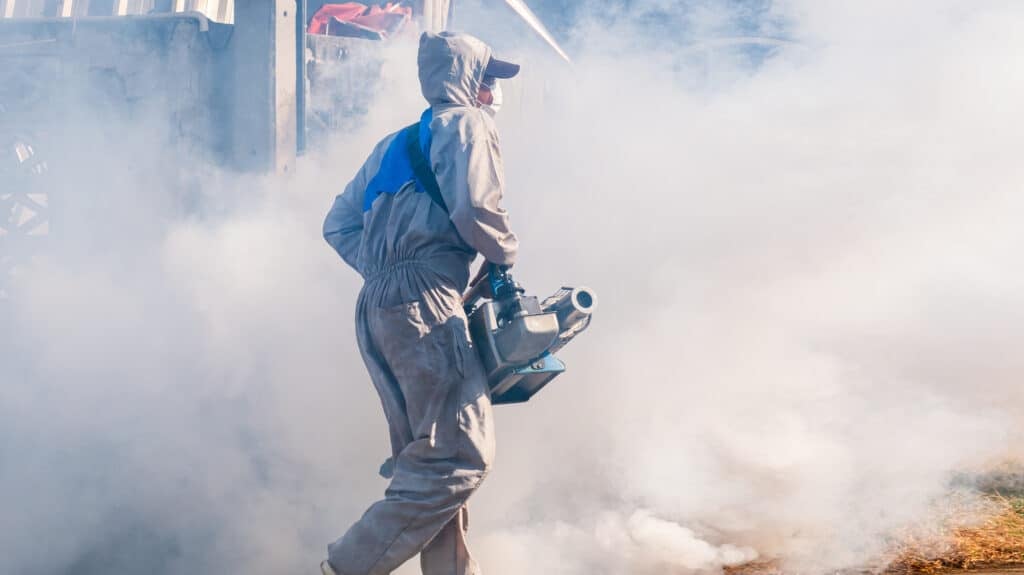
Discovering unwanted pests in your commercial facility or agricultural operation can severely impact productivity, compliance, and profitability. Not every infestation requires the most intensive treatment available, but understanding when fumigation becomes necessary can help you make informed decisions about protecting your business assets, whether they involve food processing, manufacturing, warehousing, or agricultural production.
Understanding Fumigation’s Unique Approach
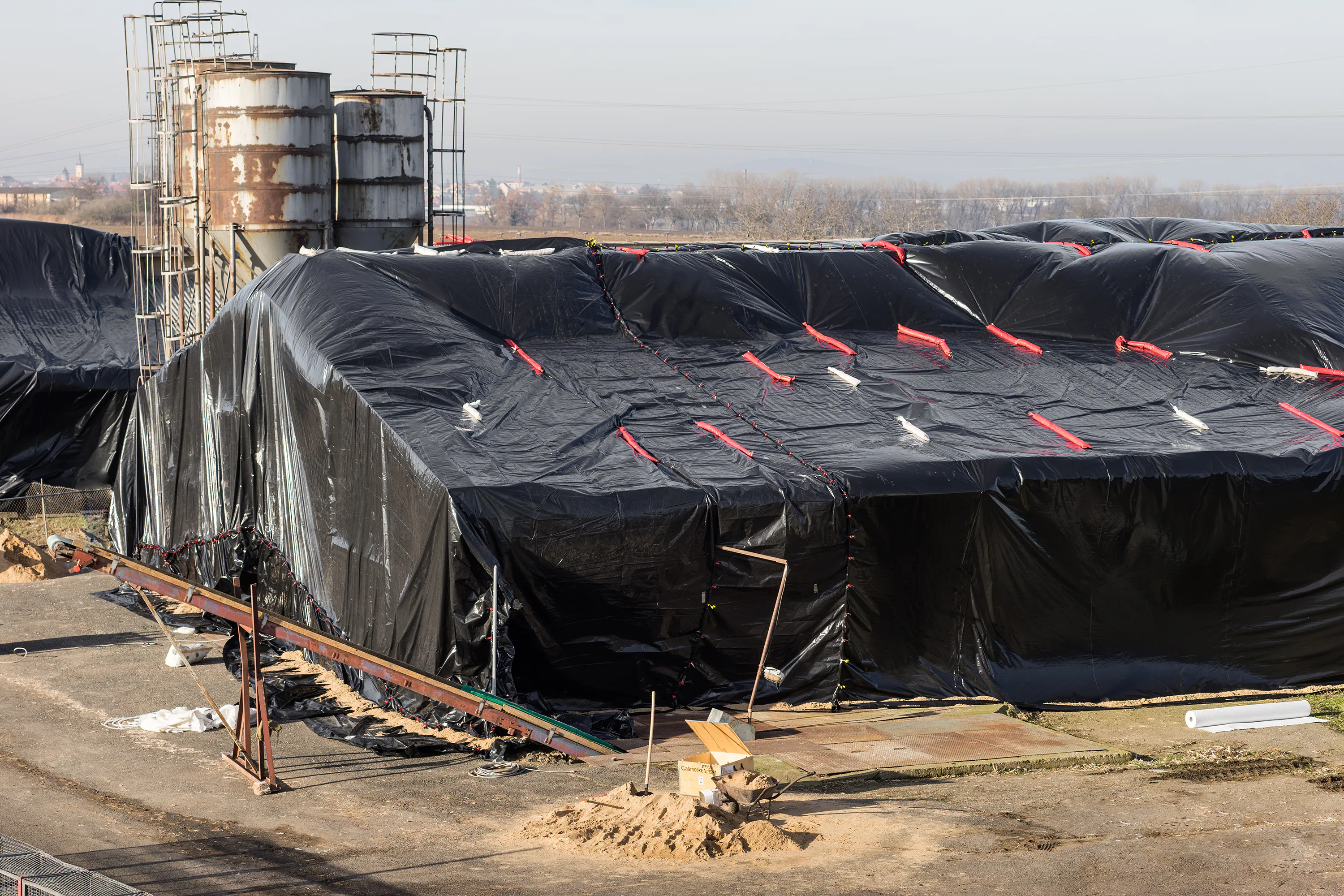
Unlike conventional pest control methods such as spot treatments, baits, and surface sprays, fumigation penetrates every conceivable hiding place within your facility’s structure. The pesticide gas reaches areas that remain completely inaccessible to traditional pest control methods, making it particularly effective against pests that burrow deep within walls, flooring, and structural elements of warehouses, processing plants, grain silos, and manufacturing facilities.
This comprehensive approach requires significant preparation, including temporarily halting operations for 24-72 hours, removing or properly sealing all products and sensitive materials, and coordinating with licensed professionals who specialise in this advanced treatment method. For commercial and agricultural facilities, this involves coordinating with production schedules, staff arrangements, supply chain management, and regulatory compliance requirements. The process demands expertise and strict safety protocols that only qualified pest control specialists should undertake.
Recognising When Professional Fumigation Becomes Necessary

Failed Conventional Treatment Attempts
When standard pest control methods repeatedly fail to resolve your problem, fumigation might represent the logical next step. This commonly occurs with persistent beetle infestations in stored grain, flour mills, or food processing facilities that survive multiple chemical applications, pest populations in manufacturing equipment, processing machinery, or structural timber, or situations involving multiple pest species simultaneously in large-scale operations. Agricultural facilities, food processing plants, and textile manufacturers often face complex infestations where pests have developed resistance to commonly used pesticides.
Inaccessible Pest Populations
Some infestations occur in locations that remain virtually impossible to reach using traditional treatment methods. Fumigation becomes essential when pests inhabit processing equipment and machinery cavities, conveyor systems and production line structures, grain storage silos and agricultural commodity storage, or deep within warehouse racking systems and structural elements. Facilities with interconnected production areas, such as food processing complexes, manufacturing plants, distribution centres, or agricultural storage facilities, often require this comprehensive approach for effective pest elimination across entire operations.
Large-Scale Commercial and Agricultural Operations
Industrial facilities, agricultural operations, food processing plants, and distribution centres frequently necessitate fumigation due to the scale of infestations exceeding what spot treatments can manage. Pests easily migrate between production areas, storage zones, or processing departments, making complete elimination critical for operational efficiency, regulatory compliance, and product quality assurance. Coordinated treatment of entire facilities often proves more cost-effective than repeated partial treatments, particularly in operations where production downtime must be minimised and regulatory standards maintained.
Warning Signs Requiring Professional Assessment
Several red flags warrant immediate professional evaluation, even when you’re uncertain whether fumigation is necessary. Persistent pest activity despite ongoing treatment efforts may indicate infestations more extensive than initially apparent. Any pest-related damage to structural elements, processing equipment, storage systems, or critical infrastructure requires immediate professional assessment to determine the problem’s full extent.
Operational impacts present serious concerns for commercial and agricultural businesses. Pest activity affecting product quality, contaminating stored commodities, or compromising food safety standards requires comprehensive treatment. For businesses, severe infestations can significantly impact operational efficiency, regulatory compliance, customer contracts, and market reputation, making thorough treatment a critical business priority.
The Professional Evaluation Process
Licensed pest control professionals employ various methods to determine fumigation’s appropriateness for your specific operation. This includes comprehensive facility inspections using specialised tools like moisture metres and borescopes, identification of pest species alongside assessment of infestation severity across production and storage areas, and evaluation of structural damage with potential entry points. They also review previous treatment history and effectiveness whilst conducting cost-benefit analyses comparing fumigation to alternative approaches, considering operational downtime, regulatory requirements, and business continuity needs.
Exploring Alternatives First
Reputable pest control companies typically explore less invasive options before recommending fumigation. These include targeted chemical treatments for localised infestations in specific production areas, heat treatment for processing equipment or storage facilities, integrated pest management systems designed for ongoing commercial operations, and exclusion methods preventing future infestations in agricultural and industrial settings. Combination approaches using multiple treatment types often prove effective for less severe situations in commercial environments.
Making Your Decision
Fumigation represents a significant investment in time, operational downtime, and resources, yet it’s often the most reliable solution for severe commercial and agricultural pest problems. Your decision should be based on professional recommendations from licensed pest control experts with commercial and agricultural experience, the extent and severity of your pest problem across operational areas, previous treatment results and their impact on business operations, long-term cost considerations including potential product losses and compliance issues, and regulatory requirements for your industry sector.
For commercial operations, additional factors include maintaining supply chain commitments, meeting food safety and quality standards, ensuring business continuity, and protecting customer relationships and market position.
Taking the Next Steps
If you’re experiencing signs suggesting fumigation might be necessary, schedule a thorough inspection with a licensed pest control company specialising in fumigation services. They can provide detailed assessment of your situation and recommend the most appropriate treatment approach. Remember that fumigation is a highly regulated process requiring proper licensing, insurance, and expertise—never attempt this yourself or work with unlicensed providers, as improper fumigation can prove extremely dangerous.
Early detection and professional intervention remain key to successful pest control. Whilst fumigation may seem extreme, it’s often the most effective method for reclaiming your property from severe pest infestations whilst preventing future problems that could compromise structural integrity, operational efficiency, regulatory compliance, and the health of all occupants.
Protecting your property is vital to your piece of mind, allow us to help you deter or deal with any pest issues you may have. Contact us here for more information and an adapted pest control plan to meet your needs.