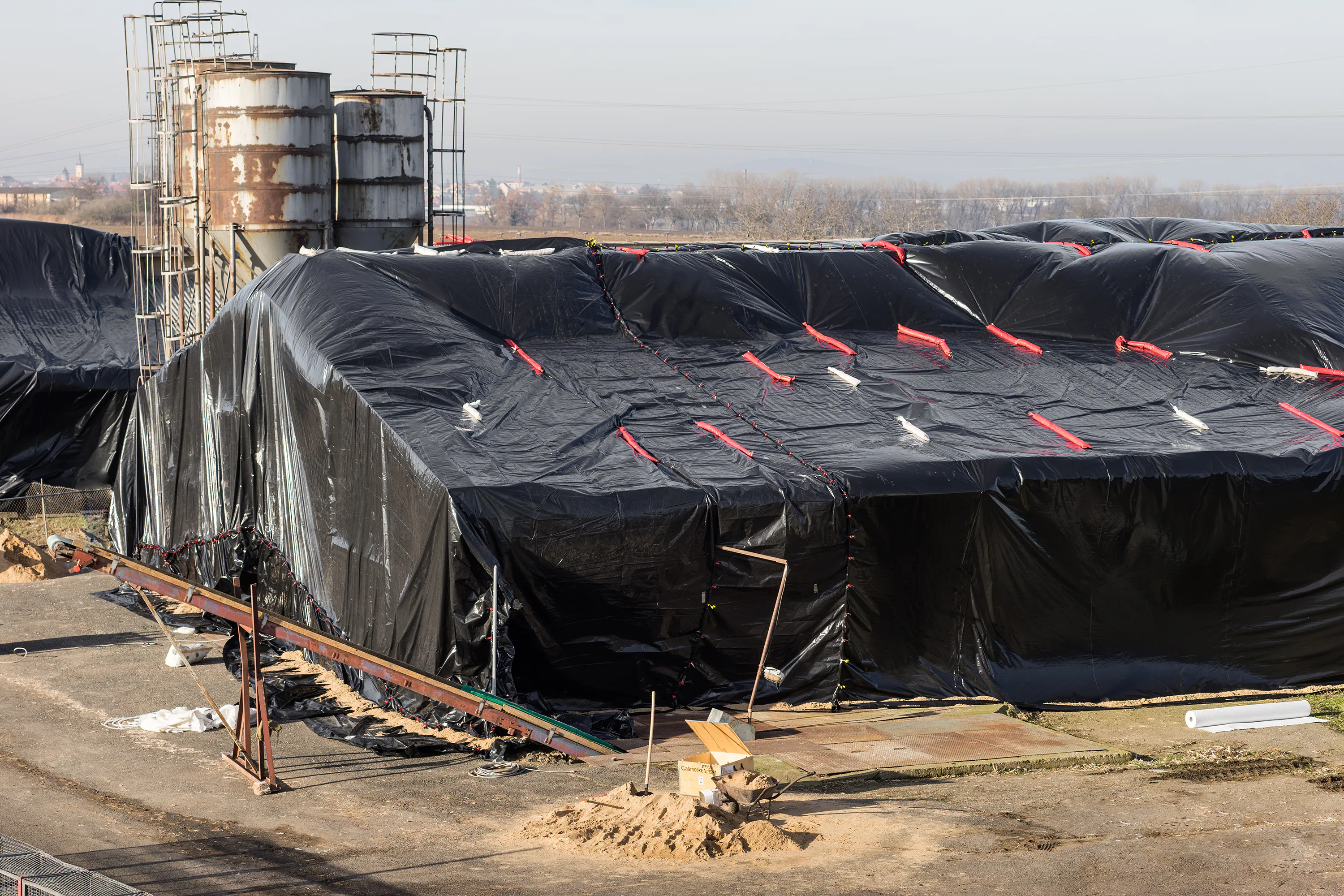
Protecting stored grain from devastating pest infestations requires vigilance and swift action. Recognising the warning signs that indicate your grain storage needs professional fumigation services can mean the difference between preserving your harvest and facing significant financial losses. Understanding these indicators ensures you can respond quickly before minor pest issues escalate into major problems.
Recognising Visual Evidence of Pest Activity
The most immediate concern for any grain storage operator is spotting visible signs of pest presence. When you observe insects such as weevils, moths, or beetles around your storage areas, this represents just the tip of the iceberg. Professional pest fumigation becomes essential because visible pests indicate much larger populations hidden within the grain mass itself.
Webbing or silk threads clinging to grain surfaces provide another clear warning sign. Many grain moths create these silky materials as they feed and reproduce throughout the storage environment. This webbing not only indicates active infestations but also creates ideal conditions for further pest development and mould growth.
Grain clumping presents a particularly serious concern that often necessitates container fumigation services. When pests feed and produce waste products, they cause individual kernels to stick together in distinctive clumps. This matting effect compromises grain quality whilst creating microenvironments that support continued pest activity and potential mould development.
Small, round holes in individual grain kernels reveal internal feeding pests like weevils. These insects lay eggs directly inside kernels, and emerging adults create characteristic exit holes. Such internal infestations require comprehensive fumigation services because surface treatments cannot reach these deeply embedded pests.
Physical Changes Indicating Pest Problems
Quality deterioration in stored grain often signals the need for professional insect fumigation. Unusual odours represent one of the most reliable early warning systems available to grain storage operators. Healthy grain maintains a clean, fresh smell, whilst pest-infested grain develops musty, sweet, or fermented odours resulting from pest waste, dead insects, and metabolic processes.
Temperature monitoring equipment may detect hot spots within grain masses, indicating significant pest populations generating heat through metabolism and movement. These temperature variations often require immediate professional assessment because they suggest infestations have reached levels where DIY treatments prove ineffective.
Increased moisture levels frequently accompany pest activity, creating a cycle that supports further pest development and mould growth. Professional fumigation becomes necessary because elevated moisture content indicates established pest populations that have altered the storage environment’s fundamental characteristics.
Excessive dust or powdery residue, known as frass, accumulates when pests feed actively within storage areas. This material consists of insect waste, grain fragments, and shed insect skins. When frass becomes noticeable, it indicates that pest populations have reached levels requiring professional intervention.
Monitoring Systems and Equipment Alerts
Modern grain storage operations rely heavily on monitoring equipment to detect pest activity before it becomes visually apparent. Pheromone traps consistently catching insects above established thresholds indicate growing pest populations that may soon require professional grain fumigation services. These monitoring systems provide early warning capabilities that enable proactive pest management.
Probe traps inserted into grain masses offer particularly valuable insights into pest penetration depth. When insects appear in these deep-penetration traps, it suggests that pests have established themselves throughout the storage mass, making surface treatments inadequate. This scenario typically requires comprehensive fumigation services to reach all affected areas effectively.
Storage Environment Concerns
Poor aeration performance often correlates with increased pest activity and may indicate existing problems requiring professional assessment. When aeration systems fail to maintain proper temperature and moisture levels, or when dead air pockets develop, these conditions favour pest development and suggest that comprehensive fumigation may be necessary.
Structural issues such as cracks in storage walls, damaged seals, or compromised storage integrity create entry points for pests whilst making effective treatment challenging. These situations often require professional fumigation combined with structural repairs to ensure long-term pest management success.
Time-Critical Factors
Approaching grain marketing deadlines create urgency around pest management decisions. When quality standards must be met to avoid price reductions or rejection, professional fumigation services provide the reliability and effectiveness necessary to meet these critical deadlines.
Long-term storage plans require more aggressive pest management approaches. Early signs of pest activity in grain intended for extended storage periods warrant immediate professional intervention to prevent problems from escalating over time.
Storage facilities with previous infestation histories require particular attention. Recurring signs of pest activity often indicate that previous treatments were incomplete or that underlying structural issues persist, making professional fumigation essential for effective long-term management.
Why Professional Intervention Proves Essential

When warning signs appear, DIY treatments frequently fall short because surface applications cannot penetrate deep within grain masses where pests often establish themselves. Professional fumigation services utilise specialised equipment and techniques designed to reach all areas of infestation effectively.
Repeated use of the same treatment methods can lead to pest resistance, making professional rotation of treatment approaches crucial for long-term success. Additionally, proper fumigation requires adherence to strict safety protocols and regulatory compliance that professional services ensure.
Taking Decisive Action
Pest populations grow exponentially under favourable conditions, making early intervention critical. Delays can result in significant grain loss, quality degradation, contamination spread, increased treatment costs, and potential food safety violations.
Professional grain fumigation services provide comprehensive solutions that eliminate existing pests whilst preventing future infestations. Expert technicians assess specific situations, recommend appropriate treatment protocols, and ensure grain meets all quality and safety standards. Don’t let pest problems compromise your harvest profits – contact qualified pest control professionals at the first sign of trouble to protect your valuable grain storage investment.
Don’t let pest problems compromise your harvest profits. Contact qualified pest control professionals at the first sign of trouble to protect your valuable grain storage investment.