Aircraft attending the Farnborough International Airshow arrive from airports across the world, and every one of them carries a biosecurity risk that most people never consider. Cockroaches, bedbugs, and rodents routinely hitch rides inside commercial and private aircraft, and international routes are the fastest way to spread infestations from one country to another. Aircraft fumigation is the most reliable way to eliminate these pests quickly and completely, making it an essential consideration for any aircraft undergoing maintenance or storage ahead of a major airshow.
What Biosecurity Risks Do Aircraft Carry at International Events?
When aircraft fly in from different countries for an event like Farnborough, they bring more than passengers and crew. Insects and rodents that have established themselves inside an aircraft do not simply disappear when the plane lands in the UK.
Cockroaches in particular are known to spread through aircraft via catering trolleys, cargo, and passenger baggage. A single infested aircraft arriving from an affected region can harbour a breeding colony within its galley and service areas.
Bedbugs present a different but equally serious problem. They are notoriously difficult to detect until bites appear on passengers, often days after the exposure has occurred. By that point the source aircraft may have completed several further rotations.
Rodents are less common but considerably more damaging. Mice and rats can chew through wiring insulation and critical components, and their presence can ground an aircraft for extended periods while a resolution is found.
Why Is Pest Control Particularly Relevant at the Farnborough Airshow?
The Farnborough International Airshow draws aircraft from across the globe. The 2026 event, taking place 20 to 24 July, is expected to be the largest in its 78-year history, with over 1,400 exhibitors from 41 countries attending.
Aircraft on static display are not just show pieces. Many will have arrived following transatlantic or long-haul routes before being prepared for exhibition. During that transit, conditions inside the fuselage are often ideal for pest activity: warm, undisturbed, and full of food residue from in-flight catering.
For airlines and operators exhibiting at Farnborough, the reputational stakes are high. An infestation discovered during a high-profile industry event would attract precisely the wrong kind of attention. Proactive aircraft pest control is therefore not just a hygiene measure but a safeguard for brand credibility.
There is also a regulatory dimension. The UK Health Security Agency and international aviation bodies including IATA maintain guidance on aircraft pest management, particularly for routes arriving from countries where vector-borne diseases or invasive species are present.
What Pests Are Most Commonly Found Inside Aircraft?
Commercial fumigation services for aircraft typically address the following species:
- Cockroaches: the most frequently encountered aircraft pest, often entering via catering supplies or ground equipment
- Bedbugs: spread via passenger luggage and seating, particularly prevalent on high-density long-haul routes
- Stored product insects: found in galley areas where food residues accumulate
- Rodents: less common but capable of causing serious structural and electrical damage
- Pharaoh ants: a tropical species capable of colonising aircraft and establishing themselves in warm service areas
Each of these requires a different approach under conventional pest control, but aircraft fumigation can address all life stages across all species in a single treatment.
How Does Aircraft Fumigation Work?
What gas is used in aircraft fumigation?
Dealey Environmental uses BlueFume®, a hydrogen cyanide-based fumigant, for aircraft treatments. Dealey is the only UK-licensed company to supply and apply BlueFume, making them uniquely positioned for this specialist service.
BlueFume is effective against all pest life stages including eggs, which many conventional insecticide treatments cannot reliably reach. This matters enormously for aircraft, where re-infestation from hatching eggs can occur within weeks of a standard spray treatment.
How long does aircraft fumigation take?
One of the principal advantages of gas fumigation over alternative methods is turnaround time. Heat treatment, for example, can take up to 48 hours and carries risks around materials and electronic components within the aircraft.
Fumigation with BlueFume allows treated aircraft to be returned to service in a matter of hours, not days. This is operationally critical for airlines and operators where aircraft downtime represents significant cost.
What is the fumigation process for an aircraft?
The process follows a defined sequence:
- The aircraft is sealed and any non-essential personnel removed from the immediate area
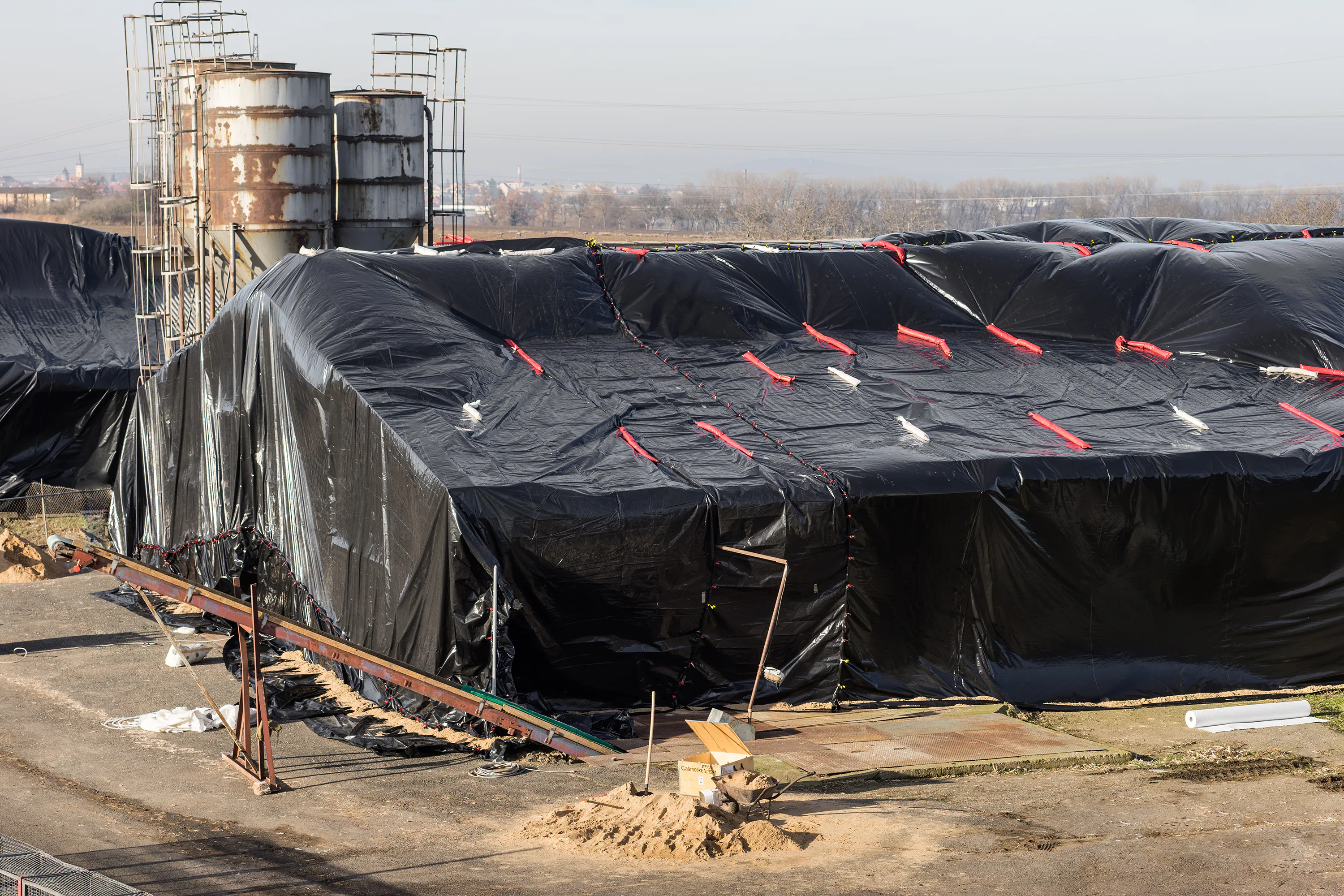
- The fumigant gas is introduced at calculated concentrations based on the target pest, ambient temperature, and volume of the space
- Gas concentration is monitored continuously using optical interferometers to ensure the correct Concentration Time Product (CTP) is achieved
- Once the required CTP is confirmed, the aircraft is ventilated and a clearance certificate is issued before the aircraft returns to use
Dealey’s fumigation specialists carry full qualifications and fumigation specialist cards, which they are required to produce on request. Every treatment is documented and certified.
Why Is BlueFume a Safer Choice for the Environment?
Unlike some historically used fumigants, BlueFume breaks down naturally in the atmosphere into compounds that are not harmful to the environment. This makes it a substantially more responsible choice compared to alternatives such as sulfuryl fluoride, which carries a significant greenhouse gas profile.
For airlines and operators with sustainability commitments, the environmental credentials of BlueFume are worth noting alongside its efficacy. It poses no lasting risk to surrounding personnel or businesses when applied by a qualified fumigation team.
What Are the Regulatory Requirements Around Aircraft Pest Control in the UK?
Aircraft operating on international routes are subject to pest management requirements under IATA guidelines and the International Health Regulations governed by the World Health Organisation. The UK Health Security Agency provides specific guidance on disinsection requirements for flights arriving from certain countries.
For operators attending events such as Farnborough, ensuring that aircraft have been treated and carry the appropriate documentation is both good practice and a legal obligation in some routing circumstances.
Dealey issues a clearance certificate following every fumigation treatment, providing operators with auditable evidence that the aircraft has been treated to the required standard.
Is Aircraft Fumigation Only Relevant for Commercial Airliners?
No. Pest infestations are not exclusive to large commercial aircraft. Private jets and smaller aircraft on frequent international routes are equally susceptible, particularly if they operate through airports in tropical or subtropical regions where cockroach and ant species are prevalent.
Aircraft that have been in storage are also at risk. Rodents and insects will readily colonise a stationary aircraft, particularly in a hangar where other organic material may be present. Pre-exhibition fumigation for aircraft coming out of storage ahead of an airshow is a sensible precaution.
If you are preparing aircraft for the Farnborough Airshow or need specialist aircraft fumigation advice, contact the Dealey Environmental team to discuss your requirements.