Commodity fumigation is the controlled application of a toxic gas to a specific product or batch of goods, with the aim of eliminating pest infestation at every life stage, including eggs, larvae, and adult insects. It is used across agriculture, food manufacturing, and logistics to protect commodities such as grain, flour, animal feed, and other stored products from the kinds of pest damage that can render an entire consignment unsaleable or non-compliant. If you are responsible for goods at any point in their journey from field to fork, understanding when and why commodity fumigation is needed could save you significant loss.
What Is Commodity Fumigation and How Does It Work?
Commodity fumigation is distinct from building fumigation or container fumigation in one key way: the fumigant is applied directly to the product itself, rather than to the structure around it. The gas penetrates the full depth of the commodity, whether that is a grain store holding thousands of tonnes or a pallet of bagged animal feed, reaching pests in areas that conventional insecticides simply cannot access.
The process is built on scientific measurement. At Dealey, every fumigation is calculated using the Concentration Time Product (CTP), which takes into account the time, temperature, and concentration of fumigant required to achieve a lethal dose for the target pest. We measure gas concentrations precisely throughout the treatment using optical interferometers, so we can confirm the CTP has been met rather than simply assuming it. You can read more about how we approach this in our post on whether fumigation is effective and how we prove it.
What Types of Commodities Require Fumigation?
A wide range of stored products are vulnerable to pest infestation, particularly where conditions encourage insect activity. Common commodities that require fumigation services include:
- Grain and cereals: Wheat, barley, oats, and maize stored on farm or in commercial grain facilities are among the most frequently fumigated commodities in the UK. Stored product insects can establish quickly in grain, particularly in warmer storage conditions or where grain has been stored for extended periods.
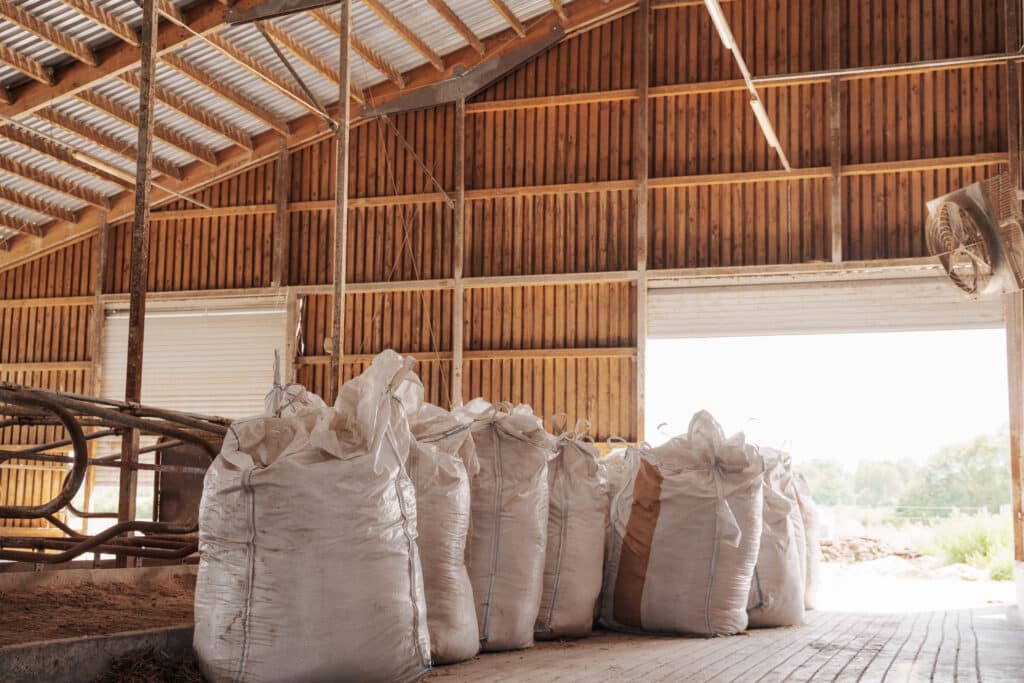
- Animal feed and compound feeds: Bagged or bulk animal feed provides ideal conditions for a range of grain store insects. Infestation can lead to product rejection, nutritional degradation, and serious reputational damage for feed producers.
- Flour and milled products: Flour mills and food processing facilities face persistent pressure from insects such as flour beetles and grain weevils. Commodity fumigation is often the only effective option once an infestation has become established within a product batch.
- Commodities in transit: Goods being exported or imported may require fumigation treatment to comply with the plant protection regulations of the destination country, particularly for commodities moving under ISPM 15 or similar international phytosanitary standards.
- Dried and ambient food products: Dried fruit, nuts, spices, and other ambient products are susceptible to a range of stored product insects and may require treatment before or during storage.
What Pests Does Commodity Fumigation Target?
Commodity fumigation is particularly effective against the group of insects known as Stored Product Insects (SPIs). These are species that have adapted to live and breed inside stored goods, often going undetected until populations are already significant. Common targets include:
- Grain weevil (Sitophilus granarius)
- Grain beetle (Oryzaephilus surinamensis and related species)
- Flour beetle (Tribolium castaneum and Tribolium confusum)
- Khapra beetle (Trogoderma granarium) – a notifiable pest and a serious biosecurity concern
- Grain moth species including the Angoumois grain moth
- Psocids (booklice), which are increasingly common in stored grain and processed foods
Many of these pests are temperature tolerant and capable of completing their entire life cycle inside a commodity. Fumigant gas is the only treatment method capable of achieving full penetration through a bulk commodity and killing all life stages, including eggs.
When Should You Consider Commodity Fumigation?
Not every pest situation requires fumigation, and a responsible approach always considers whether a less intensive method is appropriate first. Fumigation becomes the right option when:
- An infestation has become established within a stored commodity and insecticide surface treatments cannot penetrate to where the pests are active
- A grain store or food facility needs to be brought to zero pests before a new intake of product
- A commodity is being prepared for export and requires phytosanitary treatment to meet the importing country’s requirements
- Monitoring has detected elevated pest populations in stored product that exceed acceptable thresholds
- A consignment has been rejected or flagged at a port of entry and requires remedial treatment and certification
Early intervention almost always costs less and causes less disruption than dealing with an established infestation. If you are noticing early signs of insect activity in stored product, it is worth speaking to a qualified fumigation specialist before the situation escalates. Our post on when your grain storage needs professional fumigation goes into more detail on identifying those warning signs.
How Is Commodity Fumigation Different from Container Fumigation?
The two are related but not the same. Container fumigation involves treating a sealed shipping container, which may or may not contain a commodity, as part of the international trade process. Commodity fumigation is focused specifically on the product itself, which can take place in a grain store, a warehouse, a food processing facility, or indeed within a container.
In practice, there is significant overlap. A grain shipment being prepared for export might require commodity fumigation to treat the product itself, followed by a container fumigation certificate to satisfy the receiving country’s import requirements. Dealey handles both, and we manage the paperwork and certification that goes with each type of treatment. You can read more about our approach to the container side in our post on container fumigation and UK trade protection.
What Happens During a Professional Commodity Fumigation?
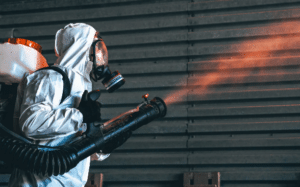
Here is what a professional commodity fumigation involves when carried out by a qualified team:
- Site assessment: The fumigation specialist inspects the commodity, confirms pest identity where possible, assesses the storage environment, and determines the appropriate fumigant and dosage
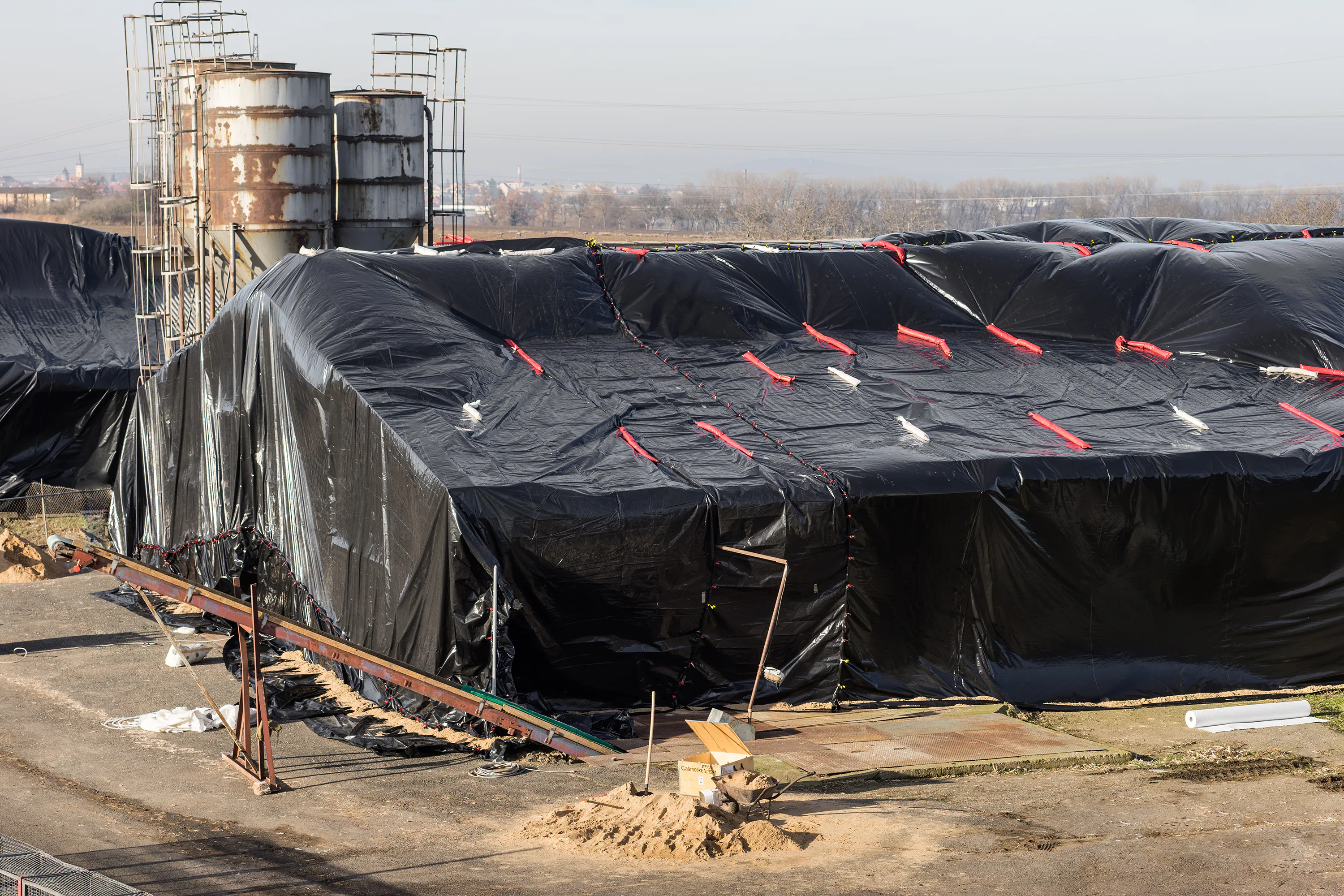
- Preparation and sealing: The area or enclosure is prepared and sealed to contain the fumigant gas for the required exposure period
- Gas introduction: Fumigant is introduced at the calculated concentration based on current temperature conditions
- Concentration monitoring: Gas levels are measured throughout the exposure period using precision instruments to ensure the required CTP is achieved
- Aeration and clearance: After exposure, the area is ventilated and gas levels are confirmed safe before access is permitted
- Certification: A clearance certificate is issued confirming that fumigation has been completed, which can be provided to buyers, regulators, or port authorities as required
Every commodity fumigation Dealey carries out is certified upon completion. That certificate is your evidence that the treatment was conducted correctly and that the CTP for the target pest was achieved.
Who Should Carry Out Commodity Fumigation?
Fumigation should only ever be carried out by qualified and licensed specialists. The gases used are highly toxic and tightly regulated. Technicians carrying out fumigation in the UK should hold a Fumigation Specialist card, and you are well within your rights to ask to see it before any work begins.
At Dealey, we have one of the largest specialist fumigation teams in the UK. All of our technicians are fully qualified and licensed, and our Managing Director Martin Cobbald has previously led the Fumigation and Controlled Environments Committee, giving us a level of technical authority that goes well beyond standard practice. We are also the only UK-licensed company to work with Blue Fume (hydrogen cyanide fumigant), which we consider the most effective and environmentally responsible building and commodity fumigant currently available.
For guidance on what qualifications and standards to look for in a fumigation provider, the British Pest Control Association (BPCA) provides a useful reference for professional accreditation requirements.
What Are the Regulations Around Commodity Fumigation in the UK?
Commodity fumigation in the UK is governed by a range of regulations covering the safe use of fumigant chemicals, worker safety, and phytosanitary requirements for traded goods. The Health and Safety Executive (HSE) sets the requirements for the safe application and handling of fumigant gases, and only licensed operators are permitted to use the relevant substances.
For goods entering or leaving the UK, ISPM 15 (International Standards for Phytosanitary Measures) sets out requirements for wood packaging material, and similar phytosanitary standards apply to many commodity types. Depending on the destination country, a fumigation certificate may be a mandatory requirement for export compliance.
Our fumigation services include full documentation and certification, so if your shipment or consignment requires regulatory sign-off, we handle that as part of the service.
Commodity Fumigation at a Glance
| Question | Answer |
| What is commodity fumigation? | The application of toxic gas directly to a stored product to eliminate pests at all life stages, including eggs |
| What does it treat? | Grain, animal feed, flour, milled products, dried foods, and other ambient commodities susceptible to Stored Product Insects |
| Why is measurement important? | Gas concentration must reach the required CTP (Concentration Time Product) for the target pest to ensure complete eradication |
| Who can do it? | Only qualified, licensed fumigation specialists holding a valid Fumigation Specialist card |
| What proof do you get? | A fumigation clearance certificate issued after every treatment confirming the required CTP was achieved |
| Is it needed for export? | Often yes, depending on the commodity and destination country’s phytosanitary requirements |
Need commodity fumigation or just not sure whether your situation requires it? Get in touch with the Dealey team and we will give you straightforward advice on the best course of action for your stored goods.