One of the things we are most proud of is that we’re always looking to expand our knowledge and learning. We’re never prepared to “stick with what we know” because there’s always something new to discover or try.
So you can imagine our excitement when we heard about a recently published paper in India describing research exploring an unexpected treatment for acute phosphine exposure.
This made us sit up and take notice because it’s new and unexpected.
There’s nothing we love more than new trials and detailed research papers!
What is phosphine, and why is it used for pest control?
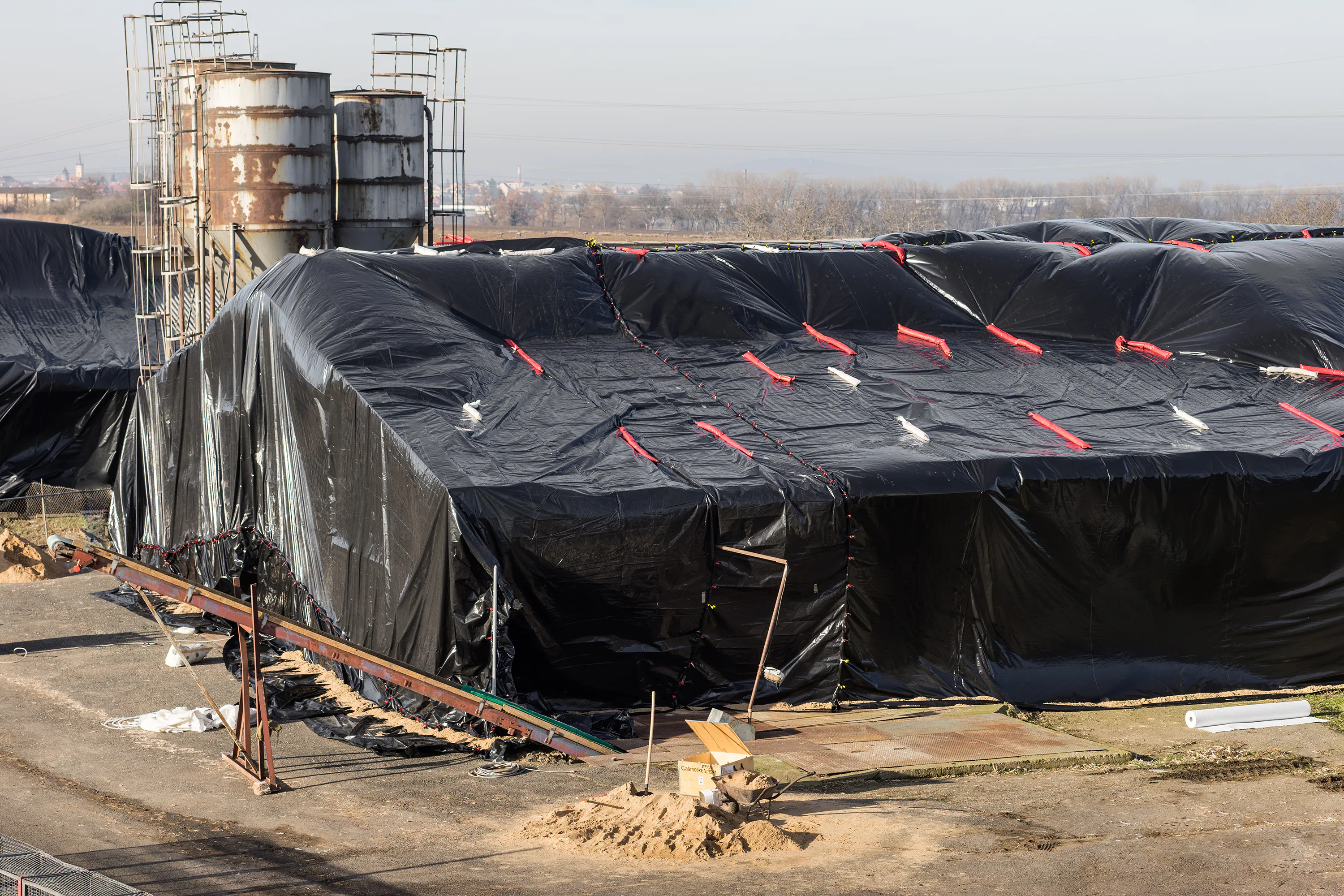
Phosphine is a gas used in professional pest control to kill insects that infest stored products such as grain, animal feed, and food ingredients.
It is colourless, highly toxic to insects and, when used properly, extremely effective. It is also one of the few treatments that can penetrate deep into bulk grain, packaged products and hard‑to‑reach areas where pests like to hide.
What is the impact of phosphine on humans?
Phosphine is an extremely dangerous gas, and if a person breathes it in, it can very quickly pass from the lungs into the bloodstream and spread through the body. Once it’s inside your body, it can rapidly start to shut down the cells that produce energy, including the heart, lungs, nervous system and kidneys.
Essentially, it does the exact same thing to humans that it does to insects.
Are phosphine poisonings something to worry about in the UK?
Phosphine poisonings in the UK are exceptionally rare because we have exceptionally strict rules around regulation, training and licensing, and for very good reason.
Where phosphine exposure does occur in the UK, it is almost always linked to unauthorised, untrained use. A recent and tragic example came from Tower Hamlets, where someone attempted to deal with a bedbug problem using phosphine without understanding the risk. It remains one of the clearest illustrations of how casualness creates casualties and why you should always leave pest control to the professionals who know what they are doing.
Global context matters far more than chemistry.
In parts of the world where metallic phosphide products are not tightly controlled, acute poisonings are unfortunately much more common.
The research paper (which we’ll get to, we promise) originated in India, where far higher exposure rates are reported. That’s because aluminium phosphide tablets are widely available and often used in small-scale grain storage (sometimes indoors) by people without proper containment or training. When you add in the hot ambient temperatures, which accelerate gas release, it’s easy to see why so many incidents occur. That’s just basic science 101!
The high numbers of acute phosphine poisonings around the world are often used as evidence that the treatment is inherently unsafe. But it’s the context in which it’s used that causes the danger, not the chemistry itself.
The systems we have in place in the UK for professionally managed fumigations are highly regulated, so it’s comparing apples with oranges.
As Martin Cobbold says, “The molecule is the same; the system surrounding it is not. Conflating the two is unhelpful, and occasionally disingenuous.”
So what does the research actually say?
We promised we’d get to the point about the research!
Until now, phosphine has carried a stigma in pest control circles that any acute poisoning cannot be treated because “there’s no antidote”. While technically true, that statement is often used lazily and a little melodramatically.
As Martin points out, “There’s no antidote for falling off a ladder either, but we don’t treat ladders like forbidden technology.”
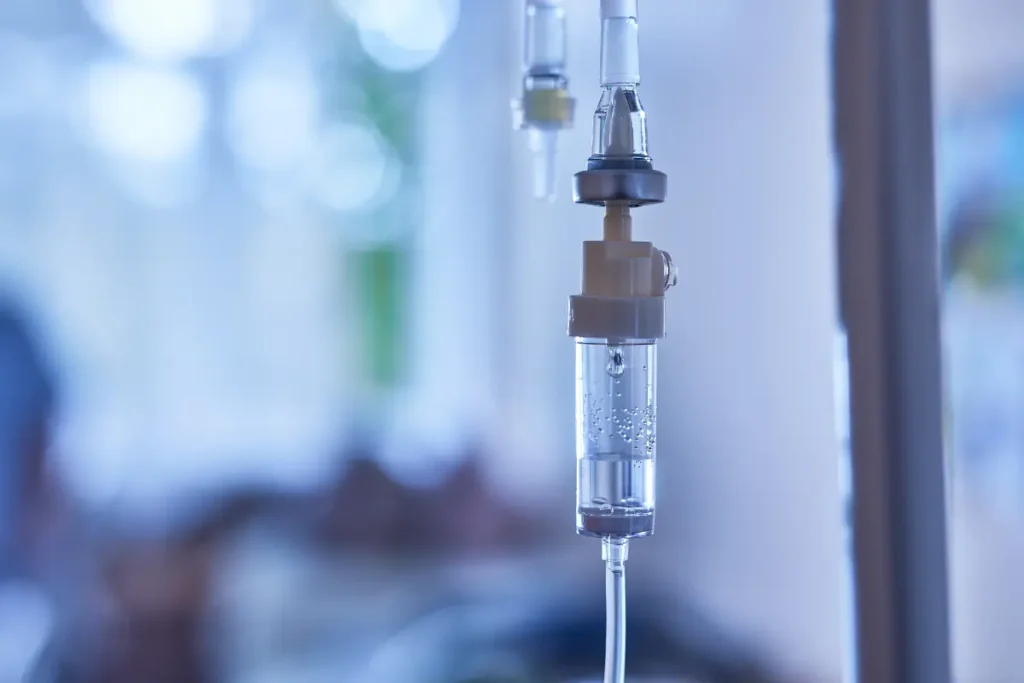
Researchers in India have examined whether intravenous administration of a lipid emulsion could be an unexpected treatment for acute phosphine exposure.
In plain English, this means pumping fat into the bloodstream.
It sounds medieval, doesn’t it?
It feels like going back to a time when doctors would routinely use leeches as part of bloodletting treatments.
But surprisingly, this makes sense because it redirects the harmful phosphine toxins elsewhere.
Instead of removing blood, you introduce a circulating fat phase that attracts a lipid-loving toxin and draws it away from the organs that matter.
This is not some experimental fringe treatment. Lipid infusions are already widely used in emergency medicine to manage overdoses of highly lipophilic drugs, especially those that affect the heart. The approach is sometimes inelegantly called “lipid sink” therapy, which is exactly what it does.
It turns out that phoshine fits this profile surprisingly well, and according to the study, outcomes in severe poisonings improved markedly. This is not an antidote in the classic sense, but it is a meaningful intervention that shifts the odds in the patient’s favour.
What this research really changes in the UK
Less than you might think, and that’s a good thing.
This research does not suddenly make phosphine safe. Nor should it be used to reassure poor practice or justify shortcuts. But the research does dismantle the idea that any exposure to phosphine is catastrophic and untreatable.
Modern phosphine safety has never relied on the promise of rescue after exposure.
Safety depends on having the right processes in place for planning, containment, sealing, monitoring, exclusion, competence and culture.
When those systems fail in the UK, the outcome is rarely dramatic poisoning. It is more often a near miss, an uncomfortable report (and a lot of additional paperwork that will make any health and safety officer weep), and a serious lesson learned before anyone gets hurt.
The irony is that phosphine is often feared more than alternatives with worse environmental persistence, poorer egg control, or broader non-target impacts.
Why we’re excited by this research and what it reminds us
The real value of this research lies not in changing how phosphine is used in British grain stores or food facilities, but in reminding us of something important.
Hazard does not exist in isolation.
In the UK, the biggest hazard has never been the lack of an antidote; it is the misunderstanding of how phosphine should be used. Too often, people focus on what they have always done and how they have always worked. Half-remembered horror stories are treated as wisdom, and unfamiliarity is mistaken for experience.
That is why there must be continual focus on strict systems, behaviours and professional standards. When these are applied, outcomes can be controlled. When they are neglected, even the most familiar tools can become dangerous.
This research could save lives in parts of the world where exposure is more common and systems are weaker. For the UK pest control industry, its value is quieter. It is a significant reminder that professionalism, not mythology, is what makes difficult tools safe to use.
And in pest control, particularly in environments where customers must never see a problem at all, that has always been the point.