The traditional approach to insect control relied heavily on reactive treatments and broad-spectrum insecticide applications. Today’s commercial property managers and agricultural producers are discovering that Integrated Pest Management (IPM) offers a more intelligent, sustainable solution for comprehensive insect control across any operation type.
Understanding Integrated Pest Management
IPM represents a science-based methodology that combines multiple strategies to prevent and control pest problems whilst minimising risks to human health and the environment. Rather than depending solely on insecticide treatments, this approach emphasises prevention, monitoring, and targeted interventions using the most effective yet least harmful methods available.
The fundamental philosophy centres on understanding both the pest and its environment, then using this knowledge to create conditions unfavourable to insects whilst maintaining safety for people and beneficial species.
The Foundation of Effective Insect Control
Prevention and Exclusion
The cornerstone of successful IPM programmes focuses on preventing insects from entering and establishing themselves initially. This involves identifying and eliminating conditions that attract pests, including food sources, moisture, and shelter opportunities.
Commercial facilities require comprehensive prevention measures including employee training, proper waste management, and regular facility maintenance to eliminate insect entry points. Food manufacturing and logistics operations must pay particular attention to grain stores, raw material storage, and finished product warehousing where stored product pests pose significant threats. Agricultural operations benefit from field sanitation, crop rotation, and habitat management to reduce pest pressure.
Monitoring and Early Detection
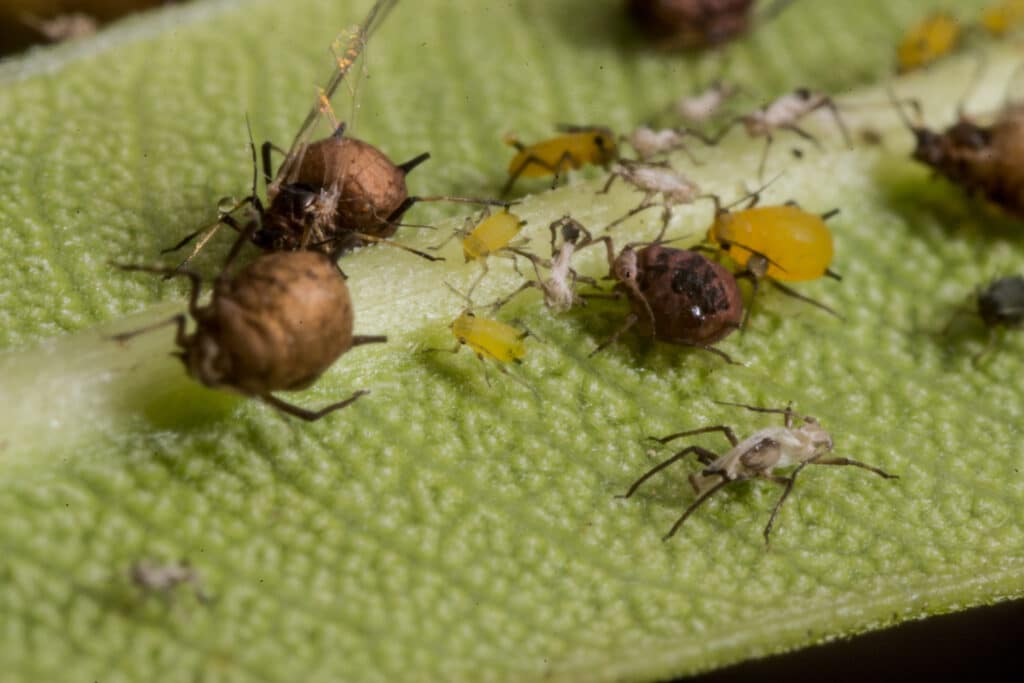
Effective insect control demands regular monitoring to identify pest activity before minor issues escalate into major infestations. Visual inspections, sticky traps, and pheromone monitors provide early warning systems for various insect species.
Proper identification proves equally crucial since different insects require distinct control strategies. Techniques effective for ant control differ significantly from those needed for stored product beetles, grain moths, weevils, or agricultural crop pests commonly found in food manufacturing and logistics facilities.
Strategic Threshold Management
IPM acknowledges that achieving zero insects isn’t always necessary or cost-effective. Instead, it establishes action thresholds—specific points where insect populations or environmental conditions indicate immediate pest control intervention becomes necessary.
These thresholds vary dramatically by operation type. A single pest in a food processing facility demands immediate action, whilst several outdoor insects near a warehouse loading area might remain acceptable. Food manufacturing and grain storage facilities maintain particularly strict thresholds due to contamination risks and regulatory requirements. Agricultural thresholds depend on crop type, growth stage, and economic impact considerations.
Treatment Hierarchy in Modern Pest Control

When action thresholds are exceeded, IPM employs a structured approach beginning with the least risky options:
- Biological controls: Utilising natural predators or parasites
- Cultural controls: Modifying environments to reduce insect habitat
- Mechanical controls: Physical barriers, traps, or removal methods
- Chemical controls: Targeted insecticide applications as final resort
Adapting IPM Across Different Operations
Commercial Applications
Restaurants, retail establishments, and office buildings require structured IPM programmes, typically involving professional pest management partners who provide regular monitoring, staff training, and documentation for regulatory compliance.
Commercial insect control must balance effectiveness with business operations, often requiring treatments during off-hours using methods that won’t disrupt customer experiences or employee productivity.
Industrial Scale Management
Manufacturing facilities, food processing plants, and logistics operations implement the most comprehensive IPM programmes, featuring sophisticated monitoring systems, detailed documentation for regulatory compliance, and specialised treatment methods that won’t interfere with production processes.
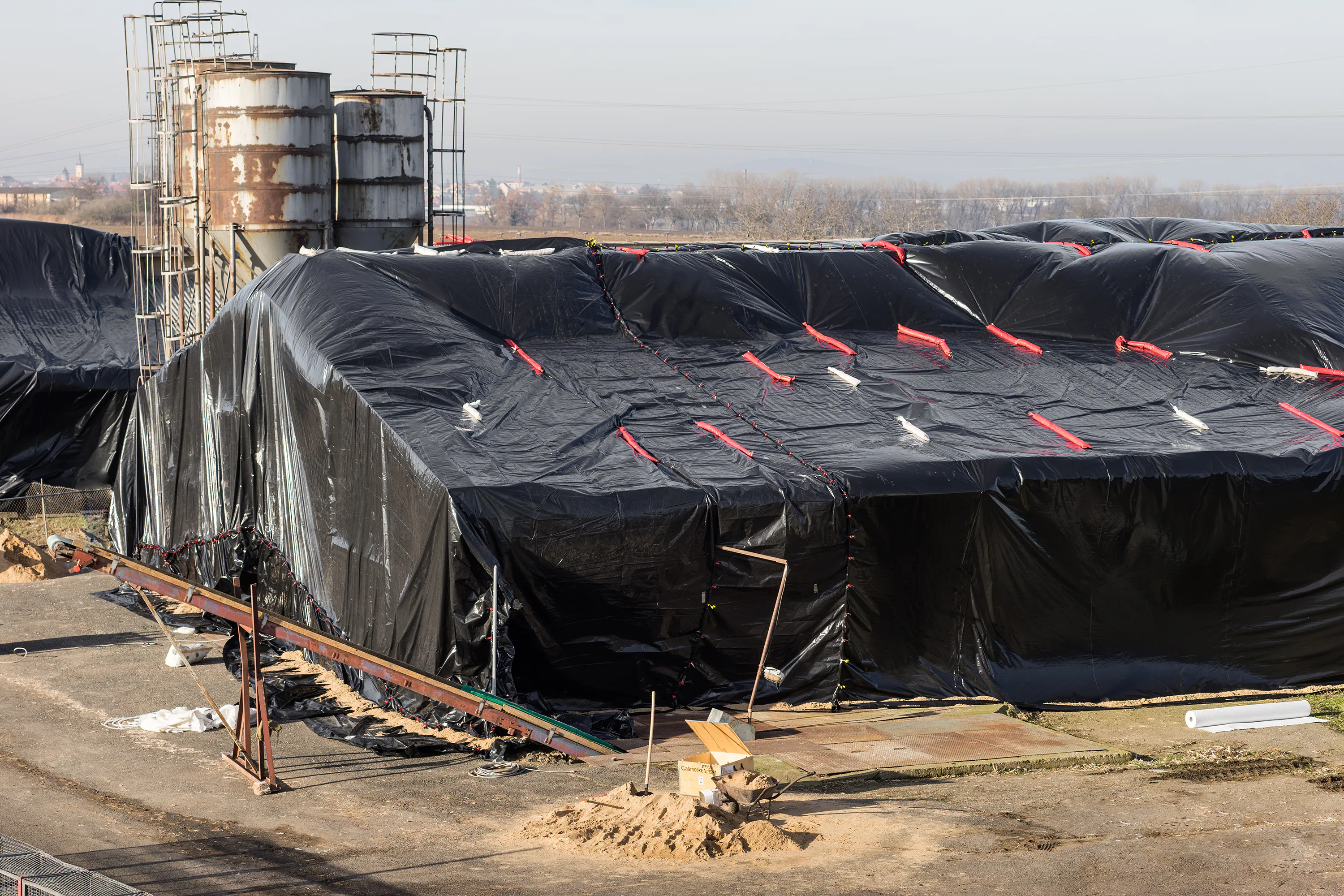
Food manufacturing facilities and grain storage operations require particular attention to stored product pest management, including regular monitoring of silos, warehouses, and processing equipment. Temperature monitoring, moisture control, and proper stock rotation become critical components of effective IPM programmes in these environments.
Agricultural Implementation
Crop production operations integrate IPM through field scouting programmes, beneficial insect conservation, resistant crop varieties, and targeted pesticide applications based on economic thresholds. Livestock facilities employ IPM for fly control, stored grain pest management, and perimeter protection.
Agricultural IPM programmes must consider crop cycles, environmental conditions, and beneficial species protection whilst maintaining productive yields and quality standards.
The Compelling Benefits of IPM
Economic Advantages
Whilst IPM programmes may require higher initial investment in monitoring and prevention, they typically reduce long-term costs by preventing major infestations requiring expensive emergency treatments. Prevention focus also reduces property damage and contamination resulting from insect activity.
Agricultural operations benefit from reduced pesticide costs, improved crop quality, and decreased resistance development in pest populations. Food manufacturing and logistics facilities experience reduced contamination incidents, improved product quality, and enhanced regulatory compliance through effective stored product pest management.
Environmental Responsibility
By emphasising non-chemical methods and targeted insecticide applications when necessary, IPM significantly reduces environmental impact. This approach protects beneficial insects, reduces pesticide resistance, and minimises soil and water contamination.
Regulatory Compliance
Many industries now require or strongly encourage IPM approaches. Food processing facilities, grain storage operations, agricultural operations, logistics centres, schools, and healthcare institutions often mandate IPM programmes to meet regulatory requirements and maintain certifications. Food manufacturing and storage facilities must comply with HACCP requirements and maintain detailed pest monitoring records.
Implementing Your IPM Programme
Assessment and Planning
Begin with thorough facility or field assessment, identifying potential insect entry points, conducive conditions, and current pest activity. This evaluation should involve someone with pest management expertise, whether a professional service provider or trained facility manager.
Establishing Monitoring Systems
Install appropriate monitoring tools for your operation type and specific insect concerns. This might include sticky traps, pheromone monitors, field scouting protocols, probe traps for grain storage, or automated sensing systems tailored to your facility’s requirements. Food manufacturing and logistics operations benefit from specialised monitoring equipment designed for stored product pest detection in bulk commodities.
Prevention Implementation
Address structural issues, sanitation concerns, and maintenance needs identified during assessment. This often provides the greatest return on investment in any IPM programme, forming the foundation for long-term insect control success.
Overcoming Implementation Challenges
Initial resistance to change often occurs when moving away from traditional pest control methods. Education about IPM benefits and pilot programmes help overcome this hesitation whilst demonstrating practical effectiveness.
Coordination requirements between property owners, tenants, employees, and pest management professionals demand clear communication and defined responsibilities for programme success.
The Future of Insect Control
Environmental concerns and stricter regulatory requirements are making IPM the standard approach across all operation types. Advances in monitoring technology, biological control agents, and targeted treatment methods continue improving IPM programme effectiveness and accessibility.
Smart sensors, data analytics, and predictive modelling are revolutionising how we monitor and respond to insect activity, making sophisticated IPM programmes viable even for smaller facilities and agricultural operations.
Achieving Long-term Success
IPM represents more than a different treatment approach—it’s a fundamental shift emphasising prevention, monitoring, and targeted response. Success requires commitment to the process and patience to achieve results. Whilst traditional pest control might provide immediate visible results, IPM builds sustainable solutions becoming more effective over time.
The investment in prevention and monitoring delivers dividends through reduced treatment costs, fewer emergency situations, and superior overall insect control outcomes. Working with experienced professionals who understand IPM principles ensures your programme meets specific requirements whilst achieving environmental and safety objectives.
Protecting your property is vital to your piece of mind, allow us to help you deter or deal with any pest issues you may have. Contact us here for more information and an adapted pest control plan to meet your needs.